How Property Taxes Work When You Buy a Home in San Diego
Daniel Fefferman | March 5, 2026
FInance

Daniel Fefferman | March 5, 2026
FInance
Property taxes are one of the most important — and often misunderstood — parts of homeownership in San Diego.
Understanding how they’re calculated and when they change helps buyers plan accurately and avoid surprises after closing.
Here’s a clear breakdown.
In California, property taxes are generally based on the home’s assessed value at the time of purchase.
When you buy a home, it is typically reassessed at your purchase price.
The base tax rate in San Diego County is approximately 1% of assessed value, plus additional local assessments and bonds.
After a purchase, new homeowners often receive a supplemental tax bill.
This bill reflects the difference between the previous assessed value and the new purchase price for the remainder of the tax year.
It can surprise buyers if they’re not prepared — but it’s normal.
Under California law (Proposition 13), assessed value increases are generally capped at 2% per year unless ownership changes or major improvements are made.
This creates long-term predictability for homeowners.
Significant additions or structural improvements may trigger reassessment for the improved portion of the property.
Cosmetic updates typically do not.
Many buyers include property taxes in their monthly mortgage payment through an escrow account.
Understanding the full tax obligation helps ensure accurate budgeting.
Property taxes aren’t complicated — but they are important.
Clear understanding leads to better financial planning and fewer surprises after closing.
At Define Real Estate, we walk buyers through every component of ownership, not just the purchase itself — because confidence doesn’t stop at the keys.
Stay up to date on the latest real estate trends.

October 22, 2026
Condos and apartments can look nearly identical, but the difference isn't necessarily in the building. It's in how the property is owned.

October 20, 2026
A home with solar panels can come with several different ownership and payment arrangements. Here's how those differences can affect a home sale.

October 15, 2026
The price you see on a real estate listing isn't necessarily the price a home eventually sells for. Here's what each number represents and why they can differ.
October 13, 2026
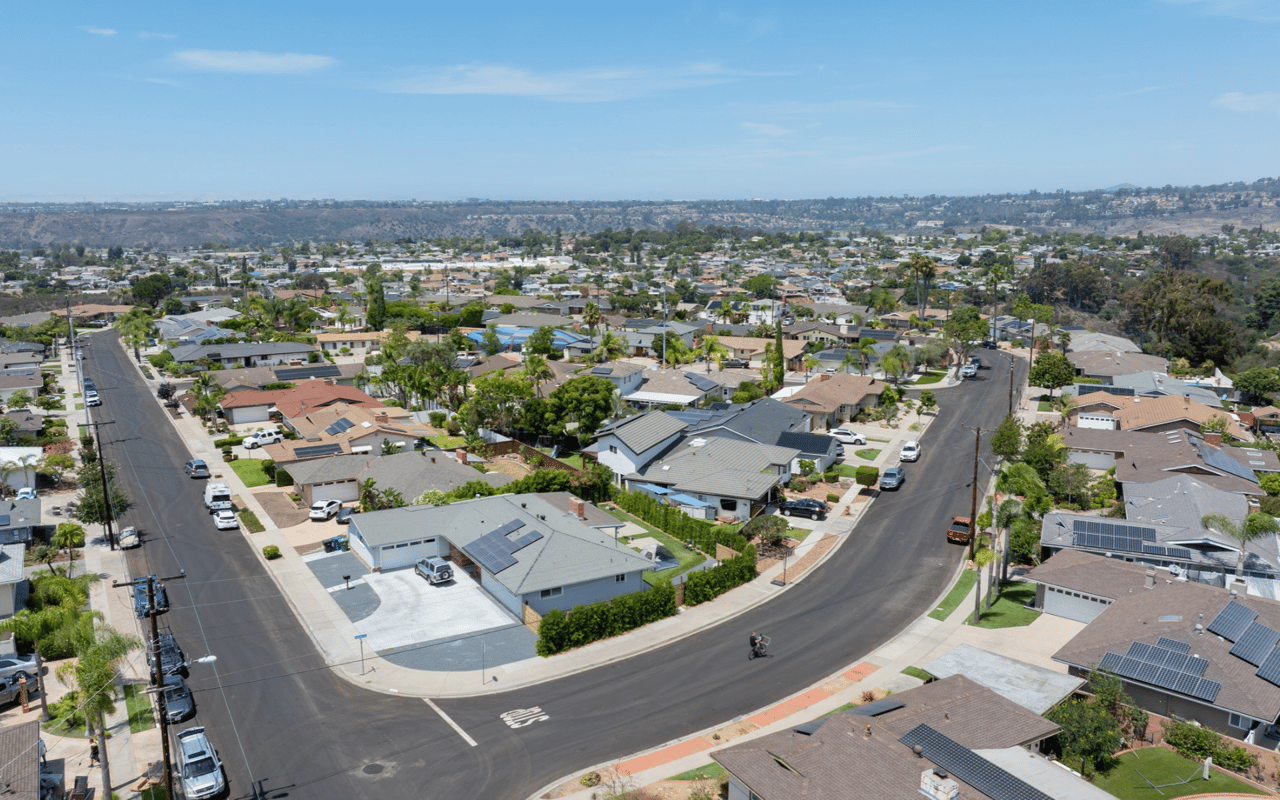
From hillside streets and established residential neighborhoods to nearby outdoor recreation, here's a closer look at Del Cerro and its place in San Diego.
October 8, 2026
“As-is” is a phrase buyers see frequently in real estate, but it can be easy to misunderstand. Here’s what the term generally means in a California home sale—and what … Read more

October 6, 2026
You hear these terms all the time in real estate—but what actually makes a market favor buyers or sellers? It comes down to the relationship between supply and demand.
You’ve got questions and we can’t wait to answer them.