Here's What to Do If Your Fireplace Pilot Light Goes Out—Your Complete Guide
Daniel Fefferman | January 29, 2025
Home Improvement
Daniel Fefferman | January 29, 2025
Home Improvement
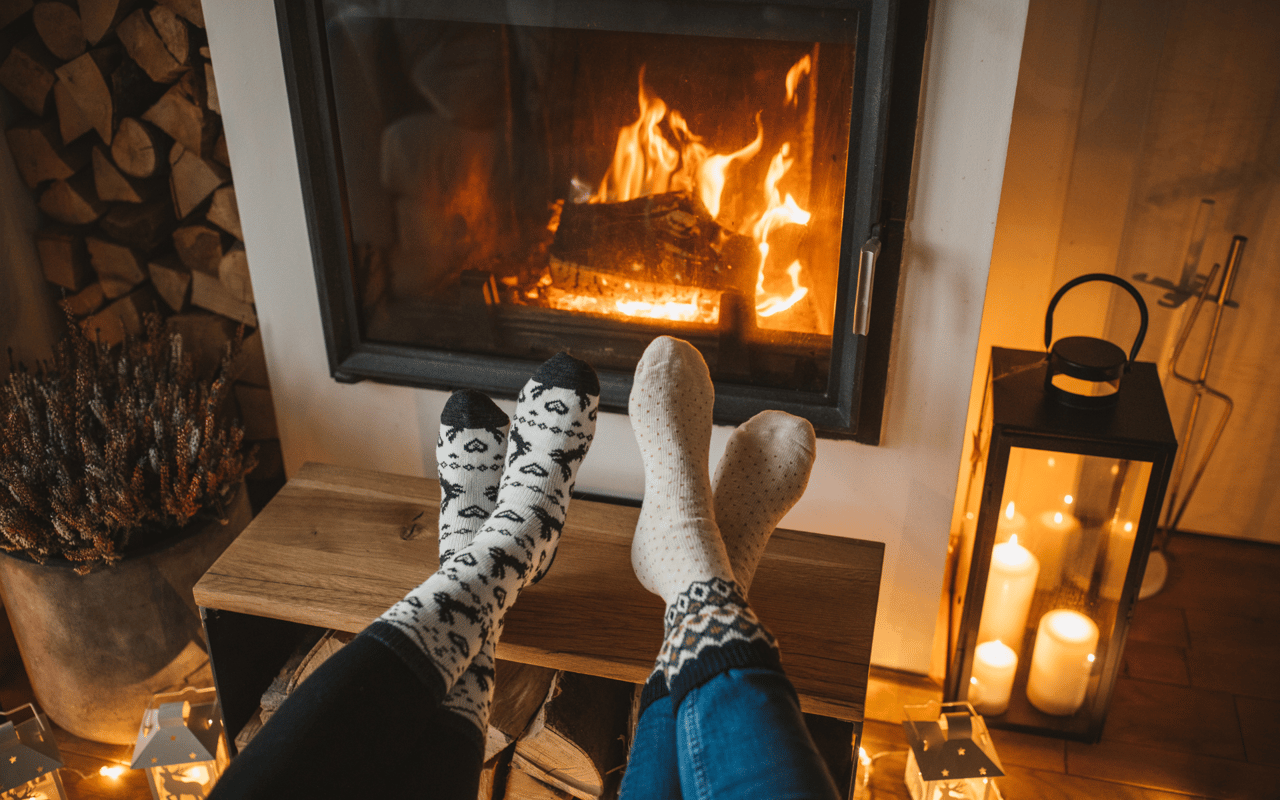
A gas fireplace is a coveted amenity that provides warmth and unbeatable ambiance to any living space. Since the fireplace is fueled by gas instead of wood, you don't even need to worry about fetching logs to keep the fire going well into the evening. The one major consideration of a gas fireplace is that it will only function properly if the pilot light is on. So, before attempting to start a fire, it's important to check the fireplace pilot light.
Ideally, the pilot light will burn with a steady, blue flame, indicating that it's safe to start the fire, but if you notice the flame is burning yellow, flickering, or has been extinguished completely, then you will need to take action before you'll be able to light the fire. Use this guide to learn everything you need to know about fireplace pilot lights.
If you have a gas furnace heating your home, then you may already have a good understanding of what a pilot light is and how it functions. A fireplace pilot light is no different. However, if you have an electric furnace or you leave your HVAC maintenance to a professional, you might not know that a fireplace pilot light is a small, continuously burning flame that is intended to ignite the main gas burner when you turn on the fireplace.
The fireplace pilot light acts as a ready ignition source, so you don't need to worry about trying to ignite the gas with a barbecue lighter or a similar igniter. Additionally, gas fireplaces will have a component known as a thermocouple, which is designed to prevent gas leaks by automatically closing the gas valve if the pilot light goes out. However, if you have a faulty thermocouple, the gas might continue to flow into the home, potentially creating a hazardous situation—so it's important to regularly check and maintain the fireplace and fireplace pilot light.
A fireplace pilot light functions like a readily available source of ignition for the fireplace, so all you need to do is turn the fireplace on to light the fire. A pilot light is comprised of a thermocouple, gas valve, electric ignition source, and a small pilot tube that carries the gas to the pilot light.
Essentially, a small amount of gas flows through the pilot tube to the pilot light where it is ignited by the electric ignition source. When the fireplace is turned on, gas flows to the main burner, which is ignited by the pilot light. This is what produces a larger flame in the fireplace. Even when the fireplace is off, the pilot light will remain lit. The thermocouple sensor detects the heat from the pilot light and sends a signal to keep the gas valve open, but if the pilot light is extinguished, then the thermocouple will send a signal to the gas valve to stop the flow of gas to the pilot light.
Typically, the fireplace pilot light will remain lit—but there are some circumstances in which the pilot light may go out. This can happen if there is a strong draft in the home, or a gust of wind through an open door or window. It may also happen during a power outage, since fireplace pilot lights generally have an automatic electric igniter that would otherwise relight the pilot light.
Some homeowners will also turn off the pilot light during the summer months when the fireplace is not in use, so you would need to relight the pilot light in the fall. Similarly, if the fireplace pilot light is on a timer, then it might automatically turn off after several days if the fireplace is not used. You should refer to the owner's manual to determine the exact method for relighting the fireplace pilot light, but in most cases this can be accomplished by turning the control knob to the "pilot" position, then pressing and holding the ignition button until the flame is established.
Alternatively, if the fireplace does not have an automatic electric igniter, then you might need to relight the pilot light using a barbecue lighter or a long match. Simply push down on the ignition button to allow gas to flow to the pilot light, before lighting the pilot light with the lighter or lit match, then release the ignition button.
Beyond checking if the fireplace pilot light is lit and reigniting it if the flame has gone out, there are a few additional factors to keep in mind.
Stay up to date on the latest real estate trends.

September 21, 2026
You own the property—but that doesn't mean every part of the lot is treated the same when it comes to building. Here's what a setback is and where you might encounter … Read more

September 17, 2026
The down payment is only one part of the money involved in purchasing a home. Here are the upfront expenses San Diego buyers may encounter before and around closing.

September 15, 2026
If part of your monthly mortgage payment goes toward property taxes and insurance, that money may be going into an impound account. Here’s what that means and how it w… Read more
September 10, 2026
Condos and detached homes come with different ownership structures, expenses, responsibilities, and features. Here’s what San Diego buyers should understand when compa… Read more

September 8, 2026
We see a home's “year built” everywhere from real estate listings to property records. But what does that little date actually represent?

September 4, 2026
From getting pre-approved to finding the right home and making it through escrow, here’s what can affect the timeline when buying a home in San Diego.
You’ve got questions and we can’t wait to answer them.