What Does Your Home’s Year Built Actually Tell You?
Daniel Fefferman | September 8, 2026
FInance
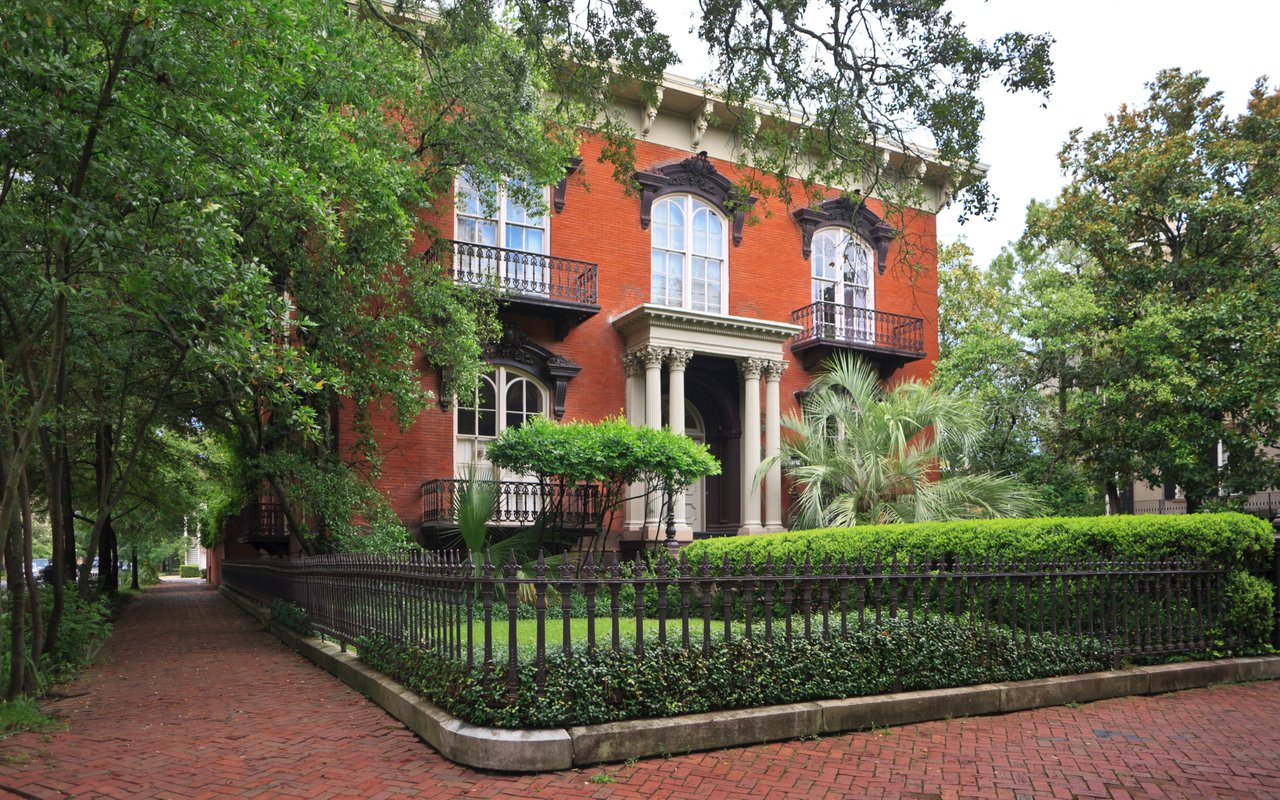
Daniel Fefferman | September 8, 2026
FInance
Every home seems to come with a birthday.
You'll see it in a real estate listing, on property information, and sometimes right alongside the square footage and number of bedrooms:
Year Built: 1928.
Or 1956. Or 1984. Or 2021.
We use that number constantly in real estate, but it's easy to scroll right past it without thinking about what it actually represents. A home's year built is a piece of property information that helps place the structure within a particular moment in the development of a street, neighborhood, and city.
And in San Diego, those dates can span well over a century of residential development.
At its simplest, the year built is the construction date associated with the original structure in the relevant property records or data source.
It's one identifying characteristic of a property, similar to the parcel information, building size, or other recorded characteristics used to describe real estate.
The important thing to understand is that “year built” is a date, not a complete history of the house.
A property may have other dates associated with later permitted additions, alterations, or construction activity. Those don't necessarily replace the original year associated with the structure.
That's why a single house can have a year built from decades ago while also having records associated with work completed at entirely different times.
The date gives us historical context.
A house built in 1925 entered the San Diego landscape during a different period of the city's development than one built in 1955 or 2005.
As San Diego expanded, different neighborhoods and subdivisions were developed at different times. Streets were laid out, parcels were created, and houses were constructed as the city grew.
The City of San Diego's historic preservation work actually uses construction dates as one piece of information when documenting and studying the city's built environment. Historical surveys look at dates alongside architecture, development patterns, cultural history, and other information to understand how particular areas evolved.
So that little year in a listing can connect an individual house to a much larger story.
One of the reasons year built is especially interesting here is that San Diego's neighborhoods reflect many different periods of development.
Take Kensington as an example. The City of San Diego notes that the neighborhood's pioneering subdivision dates to 1910. Its curving streets, stone gateways, and residential development are part of a specific chapter in the city's growth.
Nearby Kensington-Talmadge also contains residential areas representing several periods of development. Recent City historic survey work has identified areas associated with architectural and development patterns ranging from revival-style residences to Minimal Traditional and post-World War II homes.
Elsewhere in San Diego, you'll find neighborhoods and residential developments created during entirely different decades.
The result is a city where a drive of only a few miles can take you past homes constructed during very different periods of San Diego's history.
Not by itself.
Construction date can provide historical context for architectural styles that were being used during a particular period, but the date alone isn't enough to identify a home's architecture.
That's an important distinction.
San Diego's historic surveys evaluate architecture using more information than a construction year. Researchers look at the physical characteristics of buildings, neighborhood development patterns, historical context, and other documentation.
For example, City research into parts of Kensington-Talmadge has documented residential architecture including Spanish Colonial Revival, Ranch, and Minimal Traditional styles as part of the area's development history.
That doesn't mean every house built during the same years belongs to one of those styles. It simply shows how dates can help place documented architecture within a historical period.
This is where the idea of a home's “birthday” becomes a little more interesting.
A house can have one original construction date while additional work occurs at other points in time.
An addition, for example, can have a different construction or permit history from the original residence. The same can be true of other permitted alterations.
That doesn't make the original year built meaningless. It simply means one date isn't intended to function as a complete timeline of everything that has ever happened at the property.
If you're researching the history of a specific home, other records may provide additional information beyond the year built shown in a listing.
No.
An older construction date does not automatically mean a property is a designated historical resource.
The City of San Diego has specific processes, criteria, regulations, surveys, and documentation related to historical resources. Age and construction date can be relevant pieces of that research, but a year alone doesn't establish historical designation.
That's worth knowing in a city with so much older housing.
Seeing “Year Built: 1927” in a listing tells you when the structure dates from. It does not, by itself, tell you whether the property has a historical designation.
Those are two separate pieces of information.
If the year built makes you curious, there's often more to explore.
Property information, permit records, historical surveys, planning documents, subdivision history, and other public records can sometimes add context to when a property or neighborhood developed.
San Diego's Planning Department also maintains historic contexts and surveys covering various communities throughout the city. These resources document pieces of the built environment and can be fascinating if you've ever wondered why certain streets look the way they do or how a neighborhood took shape.
You don't need to become a historian to appreciate it.
Sometimes it's simply interesting to realize that the four-digit number you see on a listing isn't random trivia. It places the home on a timeline.
A 1920s house, a postwar house, and a house completed last year all became part of San Diego at different moments in the city's story.
And the year built is one small way of remembering exactly where that story began for the house you're looking at.
This article is intended for general educational purposes. Construction dates and property information may vary by record or data source. For information about a specific property, consult the applicable official records and appropriate local agencies.
Stay up to date on the latest real estate trends.

September 17, 2026
The down payment is only one part of the money involved in purchasing a home. Here are the upfront expenses San Diego buyers may encounter before and around closing.

September 15, 2026
If part of your monthly mortgage payment goes toward property taxes and insurance, that money may be going into an impound account. Here’s what that means and how it w… Read more
September 10, 2026
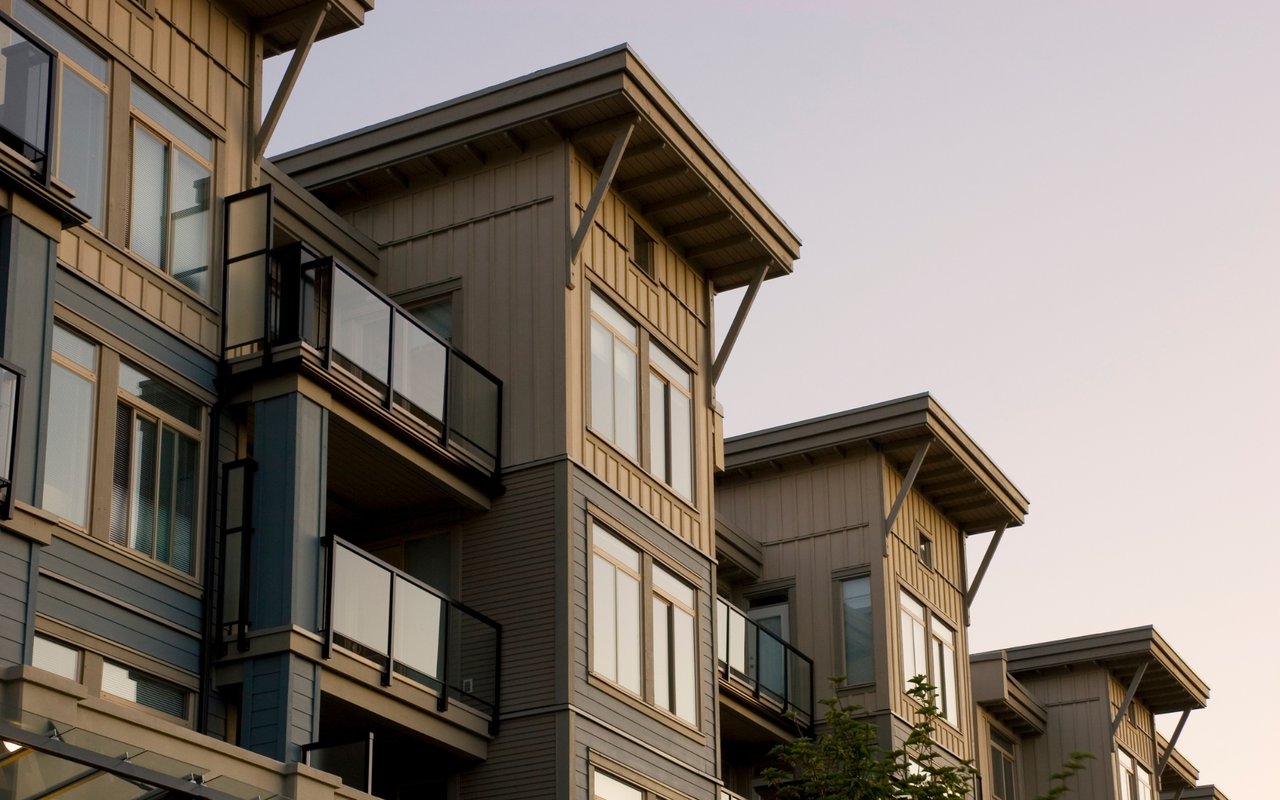
Condos and detached homes come with different ownership structures, expenses, responsibilities, and features. Here’s what San Diego buyers should understand when compa… Read more
September 8, 2026
We see a home's “year built” everywhere from real estate listings to property records. But what does that little date actually represent?

September 4, 2026
From getting pre-approved to finding the right home and making it through escrow, here’s what can affect the timeline when buying a home in San Diego.

September 2, 2026
California property taxes aren't always as simple as multiplying your home's value by 1%. Here's what some of the different lines on a property tax bill actually mean.
You’ve got questions and we can’t wait to answer them.