These Appliances Should Never Be Plugged into the Same Outlet, According to Electrical Experts
Daniel Fefferman | April 28, 2025
Home Improvement

Daniel Fefferman | April 28, 2025
Home Improvement
With our fast-paced, on-the-go lifestyles, it’s easy to overlook conventional home safety advice in favor of convenience. However, you want to be especially careful with your home electrical system, especially if you live in an older home that hasn’t been fully updated with modern fail-safes like grounded wiring, circuit breakers, and GFCI outlets.
Did you know most appliances should never be plugged into the same outlet? Doing so could cause your circuit breaker to trip or even cause a fire. We spoke with electrical experts who reminded us which electronics and appliances always need their own wall outlet and how to know if you’re overloading a circuit.
The basic rule is if a piece of equipment or appliance takes a lot of energy to run, it should be on its own outlet.
“Big energy users do not and should not be used on the same single outlet,” says licensed electrician and owner of AstroWatt Electric, Tom Jameson. “Think space heaters, microwaves, toasters, portable AC units, treadmills or anything that generates heat and/or has a motor. It’s best to give these appliances and pieces of equipment their own dedicated outlets when possible. If in doubt, space them out.”
Jameson’s rule of thumb: If it heats, cools, or spins, it probably deserves its own dedicated outlet.
To take this one step further, some high-powered devices should run on their own circuit to avoid overloading it. Each circuit could have several outlets attached to it, so if you plug a vacuum into one outlet of a circuit and a hair dryer into another, you may trip it, which will cause an isolated power outage.
“All appliances and any heat-producing or high-wattage electronics should be plugged into their own outlet and ideally their own circuit,” says Daniel Majano, the program director for the Electrical Safety Foundation International. He also says that a tripped breaker or blown fuse as a result of plugging multiple appliances into the same outlet or circuit means you are overloading that circuit.
Majano says an entire circuit can handle a continuous load between 1,440 and 1,920 watts, depending on its amps. "The formula is amps x volts = watts," says Majano. "The maximum safe wattage is 80% of that result. So 15 amp x 120 volt = 1,800. 1800 x 0.8 = 1440."
So, if two items running simultaneously exceed that number (or if any device produces heat), it’s best to have them plugged into different circuits. Majano recommends labeling your breakers, so you're aware of what outlets are on the same circuit. He also says to make sure you're using your GFCI-protected outlets in areas where water and electricity may touch.
If you’re unsure how much energy household devices take to run, here’s a general breakdown:1
One indication that your outlet or circuit is overloaded is if it trips the system. You’ll notice the power goes out, then you’ll have to find your circuit breaker and flip the switch back to the "on" position. Some older homes may not have circuit breakers. In this case, a fuse may blow and need to be replaced.
There are some other signs, too. “Watch for warm and discolored outlets, flickering lights, or burning smells,” says Joel Worthington, president of Mr. Electric. “These are signs that the circuit may be drawing too much power and needs the attention of a professional electrician.”
Majano lists those signs along with cracking, sizzling, or buzzing from receptacles or a mild shock or tingle from appliances, receptacles, or switches.
“If you’re unsure if your home's electrical system is working properly, call a licensed electrician to check things out. It’s better to be safe than sorry when it comes to your home's wiring,” says Jameson.
Here are Majano’s straightforward rules you should live by to protect your space:
Just like how you shouldn’t plug high-powered devices into the same outlet, you should also avoid plugging them into power strips. “High-wattage appliances should always be plugged directly into a wall outlet,” says Worthington. “Avoid plugging high-wattage appliances into power strips to avoid overheating them, which can pose a fire risk.”
It's important to remember that power strips only add additional outlets—they don't change how much power the outlet receives. Power strips and surge protectors, according to Jameson, are beneficial for low-draw electronics like chargers, televisions, or computers. Therefore, you shouldn't plug your refrigerator, coffee maker, or space heater into these strips.
To get that same surge protection, there are safer options. “If you want to protect devices, including large appliances like HVAC or refrigerators, from voltage surges, and have a qualified electrician install whole-home surge protection,” says Majano. “These devices have been required in new and renovated homes since the adoption of the 2020 National Electrical Code.”
Stay up to date on the latest real estate trends.

November 11, 2026
A fence may show where one yard ends and another begins, but it doesn't necessarily mark the legal boundary between two properties.

November 9, 2026
Some homes sit directly on concrete slabs, while others are raised above the ground. Here's how these two foundation styles differ and why both are part of San Diego's… Read more

November 4, 2026
A home can look like a traditional single-family residence and still be part of a planned development. Here's what that means for ownership, shared spaces, and homeown… Read more
October 29, 2026
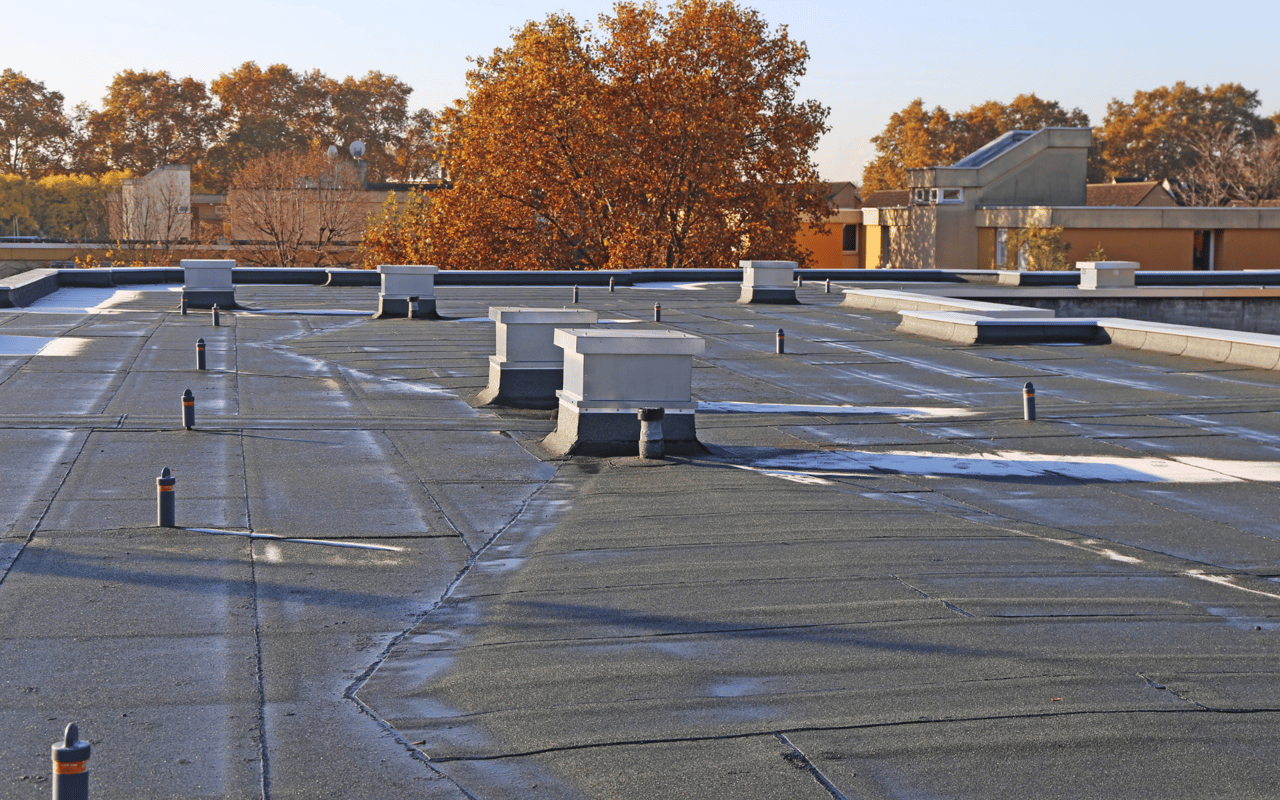
From midcentury architecture to modern home design, flat roofs are part of San Diego's residential landscape. Here's why they're used and how they actually work.
October 29, 2026
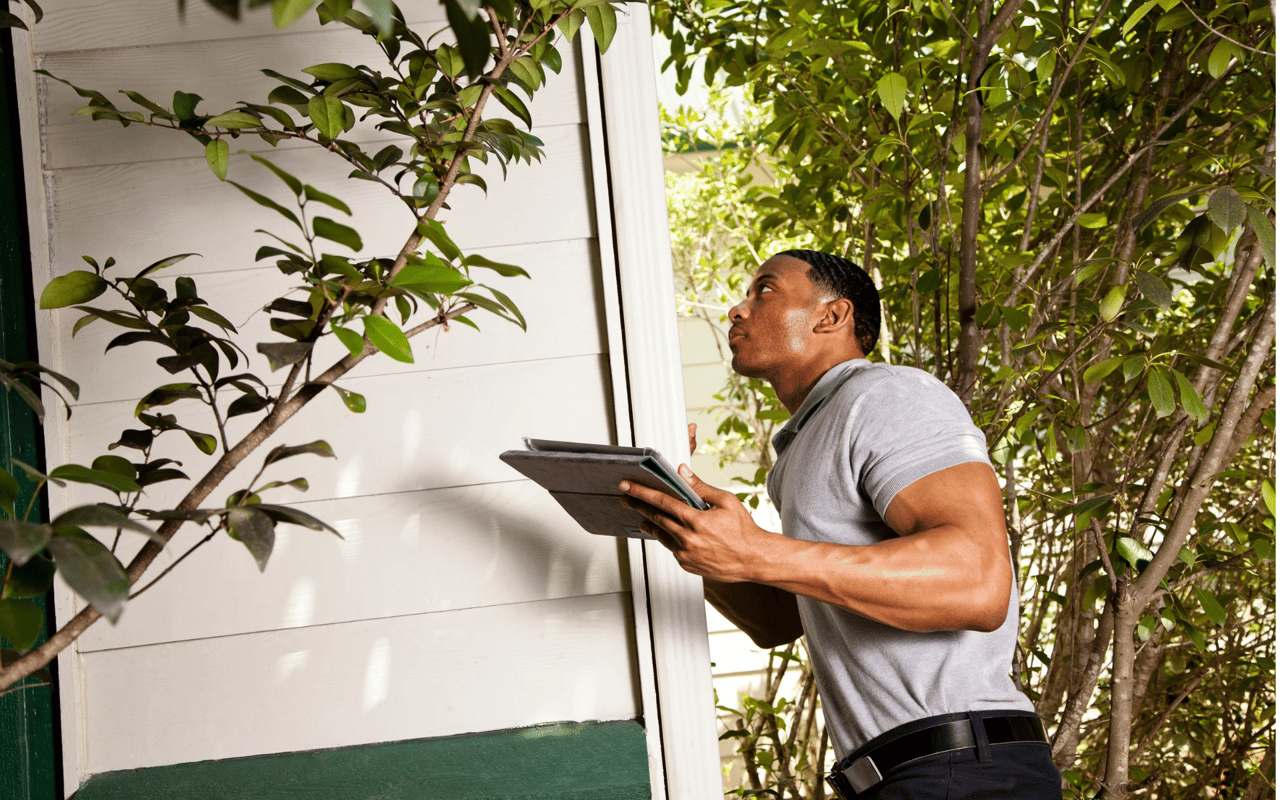
Both can be part of buying a home, but they answer very different questions. Here's what each one examines and why the distinction matters.

October 27, 2026
Historic districts are part of how San Diego preserves its architectural and cultural history. But what does the designation actually mean for the homes within them?
You’ve got questions and we can’t wait to answer them.