6 Green Flags That Real Estate Pros Look for When House Hunting
Daniel Fefferman | April 10, 2025
Homebuyers

Daniel Fefferman | April 10, 2025
Homebuyers
The right real estate agent is not just a great communicator with whom you easily connect—though they certainly should be that. They also bring valuable insight into all aspects of the home-buying process, which only comes from successfully going through it time and time again. “We’ve done this dozens, even hundreds of times,” says Jessica Poulos, broker/owner, Better Homes and Gardens Real Estate Northwest Home Team. “You hired us for our expertise and advice. Take it!”
Start with the following list of items that are always on real estate pros’ house-hunting radars.
Surely you’ve heard it said that the top three most important things about property are location, location, and location. It’s a truism that Will Palmer, a broker/owner with Better Homes and Gardens Real Estate Historic/Coast Properties, stands behind. “Kitchens can be updated, baths can be freshened up, walls can be painted and landscapes can be boosted, but the one thing you can never change is the location of the property,” he says.
Safety, walkability, parks, and a highly rated school district are just some of the considerations agents look for—the more positives, the better. Buyers have their own priorities, too, as well as unique preferences such as proximity to work and family, and preferred community amenities and culture.
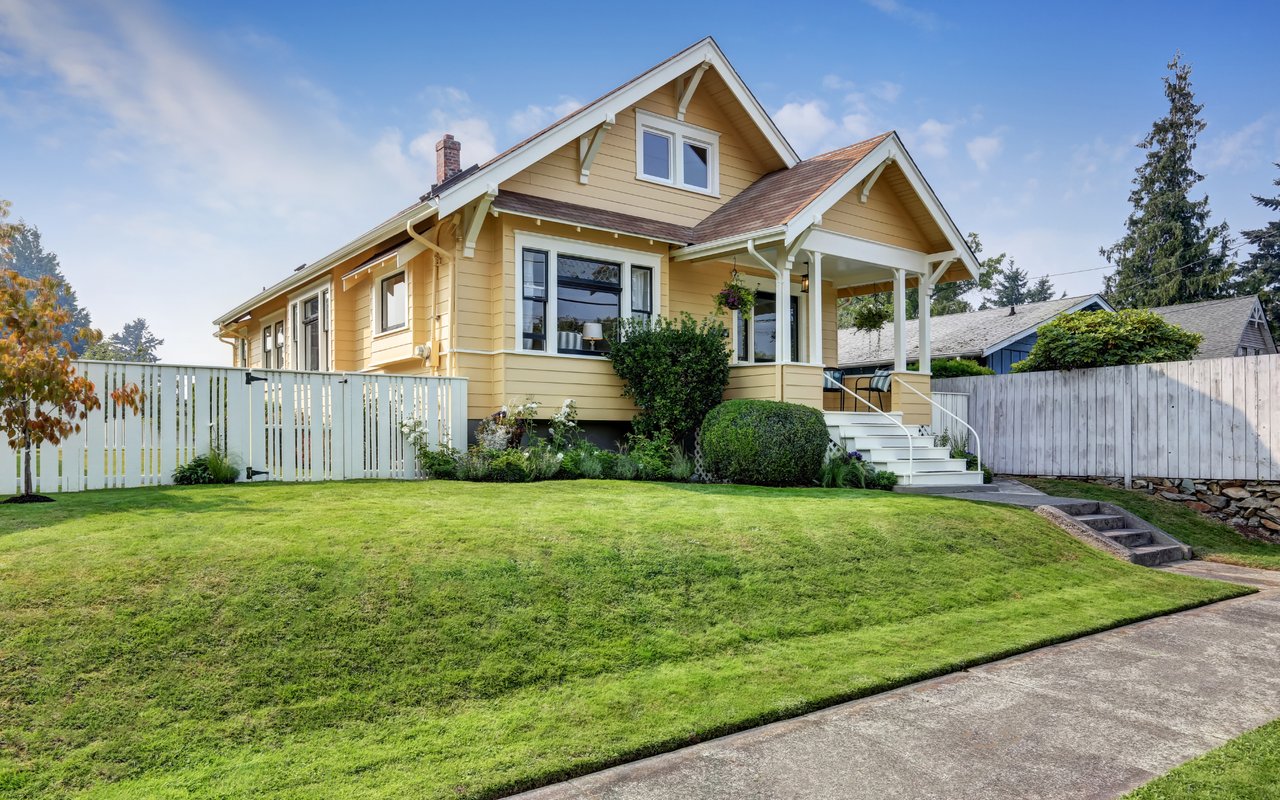
Curb appeal is one thing. A tidy entry, complementary color scheme, and sweet window boxes aren’t just welcoming, they can boost a home’s value. Agents caution you to look a little more closely, though. Red flags include rotted trim around windows and doors, moisture between window panes, pooling water, and an uneven roofline, says Eddie Gutierrez, real estate agent with Better Homes and Gardens Real Estate in Gaetano Marra Home.
One issue may not be a deal breaker, but more than that could signal bigger and costlier problems, including a homeowner’s tendency to defer maintenance. If the exterior is tidy but visually lacking, your agent isn’t likely to let that dissuade you. You could likely boost a home’s curb appeal significantly over a dedicated weekend.
Agents prefer homes that don’t come with big projects, as they’re a much easier sell. “Buyers often say they’ll consider a fixer-upper, but unless they’re serious DIYers, they don’t follow through,” Palmer says. During the house-hunting process, the true skills and costs necessary become apparent, he says, and it dawns on buyers that the upfront savings may not be worth it—a truth he knows all too well. “I myself just remodeled a 1920s English cottage. I thought I might spend $40K to $50K on the reno,” he says. “In the end, I spent over $100K.” Renovations almost always cost more than you think they will.
Agents say it’s both practical and essential to evaluate a prospective home’s basement, which could reveal high-dollar issues. Gutierrez looks for straight, sturdy walls free from cracks or signs of water, including efflorescence, a white powdery residue left when water evaporates. Mud tubes signal termites, he says, and rodent droppings can be a sign of poor insulation.
Use your nose, too—a musty smell means mold. And be on the lookout for signs of a coverup. “If the basement was recently painted, ask questions to make certain they are not hiding anything,” he says. Some go for fresh caulking, new basement flooring, or any off-limits areas.
Real estate agents tend to instinctively keep resale value top of mind on their client’s behalf. “I am aware of items that the current clients may not be thinking about that can cause other buyers to avoid a home,” says Cathy Hirsch, realtor with Better Homes and Gardens Real Estate The Good Life Group. “I’ll say something like, ‘I know you mentioned this noisy road doesn’t bother you, but it’s common for other buyers to tell me to exclude homes on a busy street.’”
Hirsch understands that buyers may be so happily focused on their current wants and needs that they don’t want to flash forward to a time when they’re parting ways with a property they’re currently falling in love with. But she considers it her duty to at least make them aware of the fact that they’d be preemptively limiting their future buyer’s pool.
Agents also like to be aware of homes that are getting overlooked, which can signal a seller who’s ready to make a deal. Multiple price reductions, vacancy, and being on the market longer than the current average are some of the most common signs, Gutierrez says.
Once they’re IDed, the next step is checking with the listing agent to find out why it hasn’t been snapped up. Most likely, it falls short in one of the categories listed above. While this is a non-starter for many, it’s an opportunity for the right buyer. “You can negotiate a better price, and maybe use a renovation loan to make the repairs and remodel,” Gutierrez says.
Stay up to date on the latest real estate trends.

November 20, 2026
Both terms appear early in the homebuying process, but understanding what a lender has actually reviewed matters more than the label.

November 19, 2026
Closing a home sale and moving out do not always happen on the same day. Here’s how temporary seller occupancy fits into that transition.

November 11, 2026
A fence may show where one yard ends and another begins, but it doesn't necessarily mark the legal boundary between two properties.
November 9, 2026
Some homes sit directly on concrete slabs, while others are raised above the ground. Here's how these two foundation styles differ and why both are part of San Diego's… Read more
November 4, 2026
A home can look like a traditional single-family residence and still be part of a planned development. Here's what that means for ownership, shared spaces, and homeown… Read more

October 29, 2026
From midcentury architecture to modern home design, flat roofs are part of San Diego's residential landscape. Here's why they're used and how they actually work.
You’ve got questions and we can’t wait to answer them.