What Is a Planned Unit Development (PUD) in California?
Daniel Fefferman | November 4, 2026
Interesting Facts
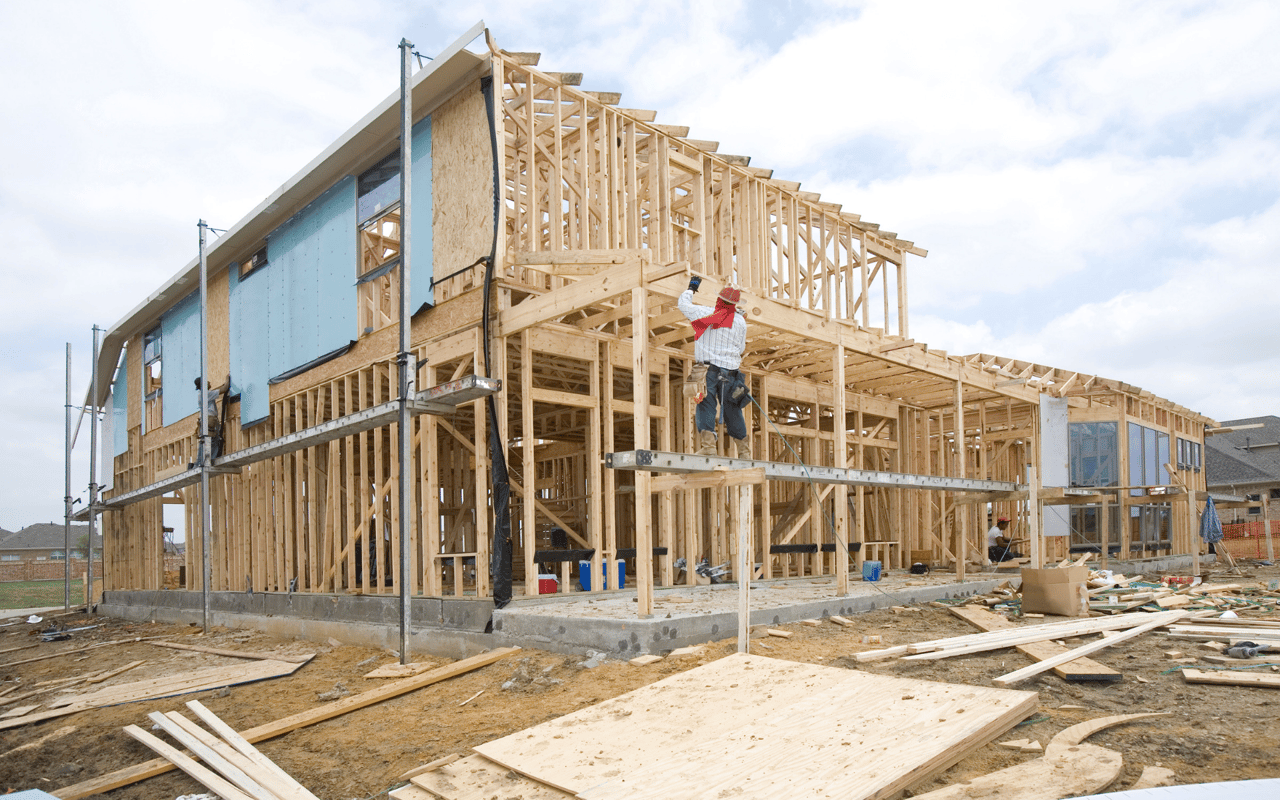
Daniel Fefferman | November 4, 2026
Interesting Facts
When browsing real estate listings in California, you might come across a term that isn't immediately familiar: planned unit development, often shortened to PUD. The property itself may look like a typical detached house, a townhome, or another style of residence. From the street, there may be little to distinguish it from neighboring homes outside the development.
But a planned unit development is about more than architectural style. It describes a type of residential development that may combine individually owned homes or lots with shared amenities, common areas, and a homeowners association. Understanding the term can help explain how a property fits into a larger community and why its ownership arrangements may differ from those of another home that looks nearly identical.
A planned unit development is a development organized under an approved plan that may include residential properties, shared facilities, common areas, or other coordinated features. The precise meaning of PUD can depend on the context in which the term is used, including local planning rules and mortgage lending requirements.
In residential real estate, PUD commonly refers to a development in which homeowners own their individual properties and also have rights or responsibilities associated with shared property or facilities. These shared elements might include landscaped areas, private roads, recreational spaces, or other amenities maintained for the community.
Not every planned development has the same layout or features. Some contain detached homes, while others include attached residences or a combination of housing styles. The important point is that PUD describes aspects of how a development is organized, not simply what its buildings look like.
Not necessarily. Although a PUD and a condominium development can look similar, the ownership arrangements may be different.
In a typical condominium arrangement, an owner holds a separate interest in a unit along with an associated interest in common property. In a PUD as commonly described in residential mortgage lending, an owner generally holds title to the home and its lot, with rights or obligations related to common areas or facilities.
However, the terminology deserves care. In California, planned development and condominium project are recognized categories under the state's common interest development laws, and the actual property interests are established through the applicable legal documents. A marketing description or listing label alone may not fully explain the ownership structure.
That is why two properties with nearly identical floor plans and exterior appearances can have different legal arrangements. The distinction comes from how the property is owned and organized, not whether it has shared walls or a private yard.
Many residential PUDs have homeowners associations, particularly when the development includes shared facilities or common areas requiring ongoing management.
An HOA may be responsible for maintaining certain landscaped areas, recreational facilities, private streets, or other property identified in the community's governing documents. The association may also administer community rules, budgets, and assessments within its authority.
The scope of those responsibilities varies considerably. One development's association may maintain extensive common amenities, while another may have a much narrower role. The existence of an HOA does not, by itself, establish which portions of an individual home or lot the association maintains.
HOA assessments generally help fund expenses assigned to the association under the development's governing documents and budget. Depending on the community, those expenses may involve common-area landscaping, shared facilities, insurance for association responsibilities, administrative costs, or reserves for future work.
The amount of an assessment and what it covers are specific to the development. A PUD with relatively limited common property may have a different expense structure from one with private streets, pools, or extensive recreational facilities.
It's also important not to assume that HOA fees include maintenance or insurance for an individual residence. In many developments, owners remain responsible for substantial portions of their own property, but the precise allocation of responsibilities depends on the governing documents and applicable law.
Yes. One reason the term PUD can be confusing is that some planned unit developments contain homes that look just like conventional detached single-family houses.
A property may have its own driveway, garage, yard, and exterior walls while still being part of a development with shared obligations. The home might sit on an individually owned lot, while the association maintains a nearby landscaped area, private roadway, or community amenity.
Other PUDs may include attached residences or different housing configurations. Neither detached construction nor attached construction, by itself, determines the legal ownership structure.
This is also why the word townhouse doesn't answer the same question as PUD. Townhouse generally describes a style of home, while PUD describes a development arrangement.
No. A gated entrance and a planned unit development are two different characteristics.
A gated community describes a physical access feature. A PUD describes how a development is planned or organized, often with individually owned property and some form of shared responsibility.
Some PUDs are gated, and others are not. Likewise, a gated residential community might have a condominium ownership structure or another legal arrangement. The presence of a gate doesn't establish the property's ownership classification.
The physical home may be very similar. The distinction often becomes clearer when looking at the property's relationship to surrounding land, shared facilities, and any association.
A conventional single-family home outside a common interest development may not have association assessments or shared community property. A home in a PUD may be subject to governing documents that establish maintenance responsibilities, community rules, and assessments.
That doesn't mean every PUD has extensive amenities or that every home outside a PUD is free from private restrictions. Easements, deed restrictions, and other property arrangements can exist in many settings. The differences are established by the particular property's legal and development structure.
Planned residential developments are part of San Diego County's housing landscape, particularly in areas developed with coordinated neighborhoods, shared amenities, or association-managed spaces.
They can appear in different forms, from groups of detached homes to attached residential communities. Some may have shared landscaped areas or recreational facilities, while others have more limited common elements.
Because San Diego includes older neighborhoods, suburban developments, and a variety of housing types, the appearance of a property isn't always enough to identify its ownership arrangement. A detached home in one community and a visually similar home in another may have different association and title structures.
The term PUD may also appear in mortgage or property-related documentation, where its meaning can be tied to specific classification requirements rather than everyday descriptions of the neighborhood.
A property's development and ownership classification can be relevant to mortgage underwriting, but the effect depends on the lender and loan program.
For example, mortgage guidelines may distinguish between condominium projects and PUDs when evaluating property eligibility or documentation. Those distinctions can influence what information a lender reviews, but they don't establish that every PUD will receive the same financing treatment.
Loan eligibility also depends on factors beyond development type, including the borrower, property, and applicable program requirements. A PUD designation alone doesn't determine whether a particular loan will be approved.
The most useful information about a particular development generally comes from its recorded property documents and association materials, when applicable.
These may include the recorded declaration of covenants, conditions, and restrictions (CC&Rs), subdivision or condominium maps, association budgets, and other documents describing ownership interests, common areas, assessments, and maintenance responsibilities.
Different documents serve different purposes, and the existence of one document doesn't necessarily answer every question about the property. Their interpretation and legal effect are matters for the appropriate qualified professionals.
The term PUD helps describe how a home may be connected to a larger residential development, but it doesn't tell the entire story on its own.
A home can be detached and still have shared community obligations. It can have an HOA without being a condominium, and it can look like a townhouse while having a different ownership arrangement from another attached residence.
For California real estate, the distinction is worth understanding because housing style, development type, and legal ownership structure are three different things. Knowing how those concepts fit together makes property descriptions easier to understand and helps explain why homes that look alike may operate differently.
This article is for general educational purposes only and is not legal, financial, or transaction-specific advice. Property classifications, association obligations, financing requirements, and ownership rights depend on the particular development, governing documents, and applicable law. Consult the appropriate qualified professionals for property-specific questions.
Stay up to date on the latest real estate trends.
November 4, 2026
A home can look like a traditional single-family residence and still be part of a planned development. Here's what that means for ownership, shared spaces, and homeown… Read more
October 29, 2026
From midcentury architecture to modern home design, flat roofs are part of San Diego's residential landscape. Here's why they're used and how they actually work.

October 29, 2026
Both can be part of buying a home, but they answer very different questions. Here's what each one examines and why the distinction matters.
October 27, 2026
Historic districts are part of how San Diego preserves its architectural and cultural history. But what does the designation actually mean for the homes within them?

October 22, 2026
Condos and apartments can look nearly identical, but the difference isn't necessarily in the building. It's in how the property is owned.

October 20, 2026
A home with solar panels can come with several different ownership and payment arrangements. Here's how those differences can affect a home sale.
You’ve got questions and we can’t wait to answer them.