What Happens to Solar Panels When You Buy a House in San Diego?
Daniel Fefferman | October 20, 2026
FInance
Daniel Fefferman | October 20, 2026
FInance
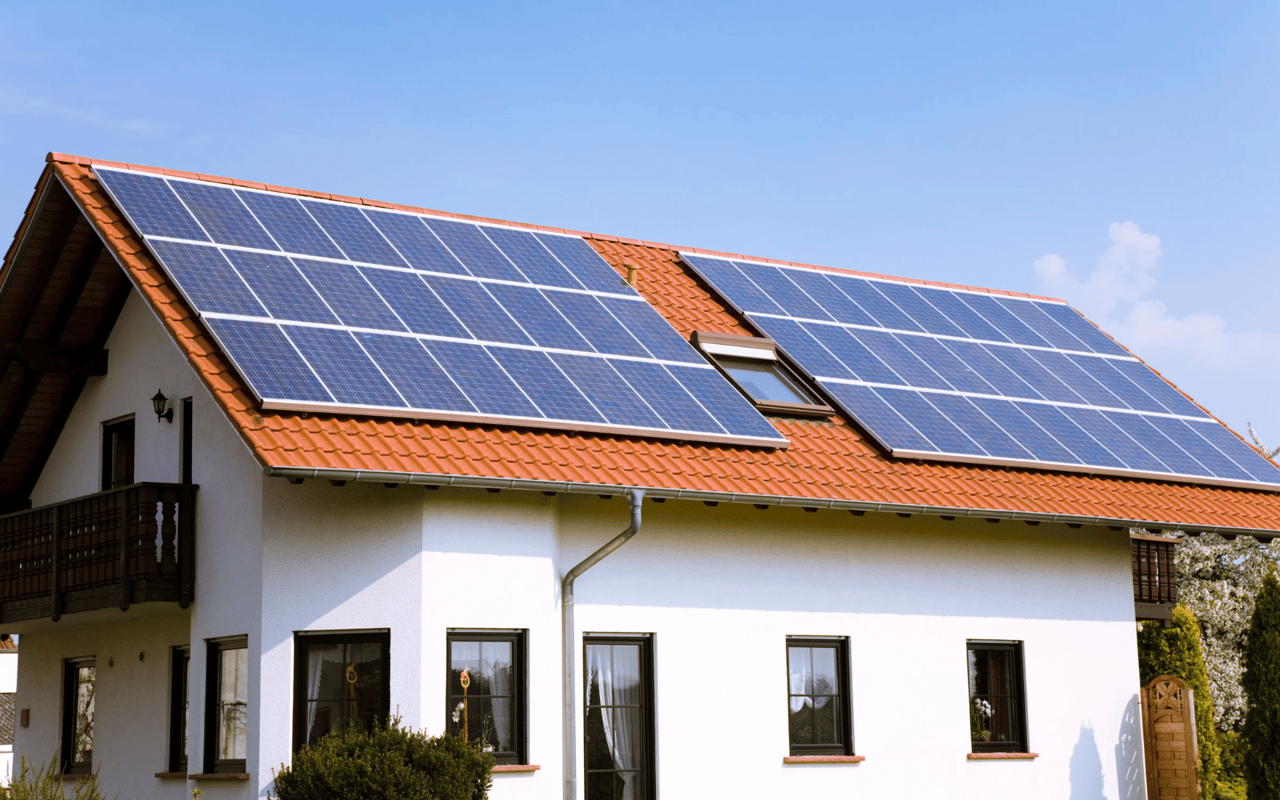
Solar panels have become a familiar sight on rooftops throughout San Diego. From established residential neighborhoods to newer developments, they're one of the features buyers may encounter while looking at homes. But seeing solar panels on a roof doesn't tell you the whole story.
A home might have a solar system that's fully owned, one that's still being financed, or equipment provided through a lease or power purchase agreement. Those arrangements can look nearly identical from the street, yet they involve different ownership and payment structures. So what actually happens to solar panels when a house is sold? The answer depends on how the solar system is owned, financed, and documented.
Not necessarily in the same way for every property. Solar equipment can be associated with different ownership and contractual arrangements. Some homeowners own their systems outright, while others have loans, leases, or agreements with third-party solar providers.
That means the presence of panels doesn't establish whether the homeowner owns the equipment or whether a separate agreement is involved. A real estate listing might describe a property as having solar, but that description alone doesn't explain the system's ownership or financial arrangements. Those details depend on the particular property and the applicable documents.
A fully owned solar system generally means the homeowner owns the equipment without an outstanding solar purchase loan. When a home with owned solar is sold, the treatment of the equipment is determined by the transaction's terms and applicable property law.
Owned rooftop panels are often included with the home sale, but the specific agreement and circumstances still matter. Ownership also doesn't establish the equipment's condition, age, output, warranty coverage, or expected performance. Those are separate questions from whether the system is owned.
Some homeowners purchase solar panels using a loan rather than paying the full cost upfront. In that arrangement, the homeowner may own the equipment while still owing money under a separate financing agreement. This is different from leasing solar equipment.
A solar loan can have its own repayment terms, security arrangements, and provisions that may become relevant when the property is sold. Depending on the financing documents and transaction, the outstanding obligation might be paid off or addressed through another arrangement permitted by the relevant parties.
The presence of a solar loan doesn't automatically establish that a buyer must take over the debt. Likewise, the fact that a home is being sold doesn't, by itself, explain how the loan will be handled. The financing agreement and the actual transaction documents provide those details.
A solar lease generally means a third-party provider owns the solar equipment, while the homeowner pays to use it under a contract. The homeowner has access to the system's electricity production, but ownership of the equipment remains with the provider. Solar leases often involve ongoing payments over a specified contract term.
When a property with leased solar is sold, the lease agreement becomes particularly relevant because the equipment is associated with a separate contractual relationship. Depending on the contract and provider requirements, the arrangement may involve a transfer to a new homeowner, a buyout, or another contractual process. Transfers can be subject to approval requirements and other conditions.
It's important not to assume that every solar lease transfers automatically or that every agreement has the same options. The actual lease controls the available arrangements, subject to applicable law.
A power purchase agreement, commonly called a PPA, is another type of third-party solar arrangement. Under a typical residential PPA, the solar provider owns the equipment, and the homeowner agrees to purchase electricity generated by the system according to the contract.
This differs from a traditional solar lease, where payments are generally associated with using the equipment. With a PPA, charges are typically based on electricity production and the agreed pricing terms. Like a lease, a PPA can involve a long-term agreement that remains relevant when a home is sold.
The contract may address transfers, payments, eligibility requirements, and other obligations. Because PPAs and leases have different structures, they shouldn't be treated as interchangeable simply because both involve third-party-owned solar panels.
Some solar agreements allow for a transfer when a property changes ownership. However, the transfer process depends on the specific contract, the provider, and any applicable requirements. An agreement may describe procedures for transferring the arrangement, conditions that must be satisfied, or alternatives if a transfer doesn't occur.
That is why two homes with leased solar can have different transaction details even when their systems appear similar. The solar provider's documentation, rather than a general description of leased solar, determines the contractual process for a particular system.
No. Solar panels don't automatically eliminate electricity bills. A grid-connected home may generate some of its own electricity while still receiving utility service. Electricity use, solar production, utility charges, and the applicable billing arrangement all affect what appears on a utility bill.
For example, the amount of electricity a system produces can vary with sunlight, shading, equipment characteristics, and other conditions. A household's electricity consumption can also vary throughout the day and across seasons. California's utility billing arrangements for customers with solar have also changed over time, so different properties may be subject to different applicable programs or rate structures.
The presence of solar panels alone doesn't establish a home's monthly electricity costs or future savings.
No. They're related technologies, but they serve different functions. Solar photovoltaic panels generate electricity from sunlight, while a home battery stores electricity for later use, subject to the system's design and operating configuration.
Some homes have solar panels without battery storage, while others have both. Battery equipment can also have separate ownership, financing, warranty, and operating details. Seeing panels on a roof doesn't establish whether the property has a battery or whether the system can provide backup power during an outage. Those capabilities depend on the specific equipment and configuration.
Several different documents may help explain a residential solar system. Depending on the property, these could include a purchase agreement, financing documents, a lease, a power purchase agreement, equipment information, warranty materials, or utility-related records. Each type of document addresses a different aspect of the system.
An equipment specification may describe the components installed. A financing agreement addresses repayment obligations, while a lease or PPA explains the contractual relationship with a solar provider. Utility records may provide information about billing arrangements or historical electricity use, but they don't guarantee future costs or production. No single document necessarily answers every question about a property's solar system.
Solar can be relevant to a property's valuation or financing review, but its treatment isn't identical in every transaction. Whether the system is owned, financed, or subject to a third-party agreement can affect how it is considered.
Lenders and appraisers may apply requirements based on the particular financing program, ownership arrangement, and available documentation. That doesn't mean every solar-equipped home receives a particular valuation adjustment or that a solar agreement automatically prevents financing. Those are transaction-specific matters.
The presence of solar is one fact about the property. How that fact is treated depends on the relevant appraisal and financing requirements.
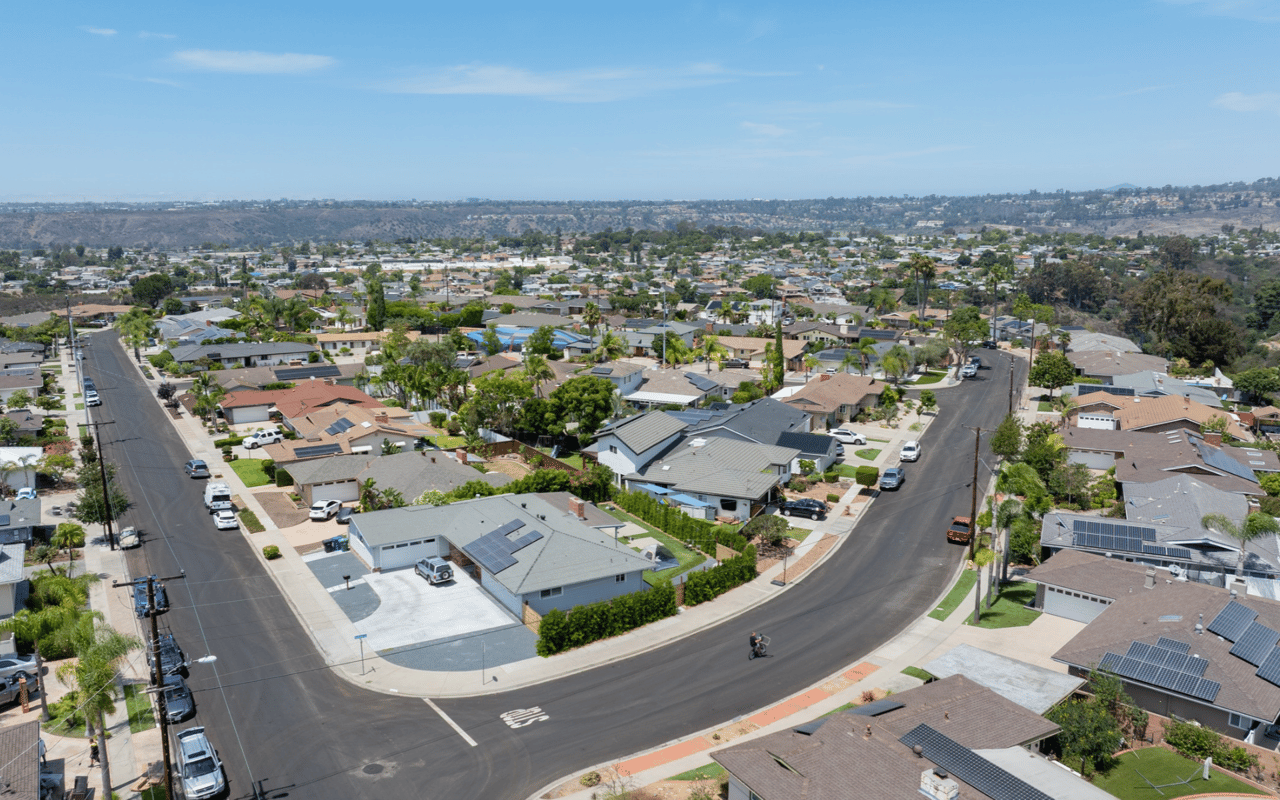
San Diego's sunny climate makes rooftop solar a familiar part of the residential landscape. But even within the same neighborhood, solar arrangements can vary significantly. One house may have a fully owned system installed years ago, another may have a newer system with an outstanding loan, and a third may have equipment owned by a solar provider under a long-term agreement.
From the street, those differences may be impossible to identify. While the panels themselves are visible, the ownership structure, payment terms, utility arrangements, and system details generally aren't. That's what makes the distinction between having solar and understanding the solar arrangement so important.
When a solar-equipped home changes ownership, the panels are only one part of the picture. The documents and agreements associated with the system explain how ownership, payments, and contractual responsibilities are addressed in that particular transaction.
This article is for general educational purposes only and is not legal, financial, tax, or individualized real estate advice. Solar agreements, financing requirements, utility billing arrangements, and transaction terms vary. Questions about a particular agreement or obligation should be addressed through the relevant documents and appropriate qualified professionals.
Stay up to date on the latest real estate trends.
October 20, 2026
A home with solar panels can come with several different ownership and payment arrangements. Here's how those differences can affect a home sale.

October 15, 2026
The price you see on a real estate listing isn't necessarily the price a home eventually sells for. Here's what each number represents and why they can differ.
October 13, 2026
From hillside streets and established residential neighborhoods to nearby outdoor recreation, here's a closer look at Del Cerro and its place in San Diego.

October 8, 2026
“As-is” is a phrase buyers see frequently in real estate, but it can be easy to misunderstand. Here’s what the term generally means in a California home sale—and what … Read more

October 6, 2026
You hear these terms all the time in real estate—but what actually makes a market favor buyers or sellers? It comes down to the relationship between supply and demand.

September 30, 2026
Home inspections are a familiar part of the buying process, but what do they actually do? Here’s how inspections fit into a California home purchase and what informati… Read more
You’ve got questions and we can’t wait to answer them.