What Does It Mean When a Home Is in a Historic District?
October 27, 2026
Homebuyers
October 27, 2026
Homebuyers
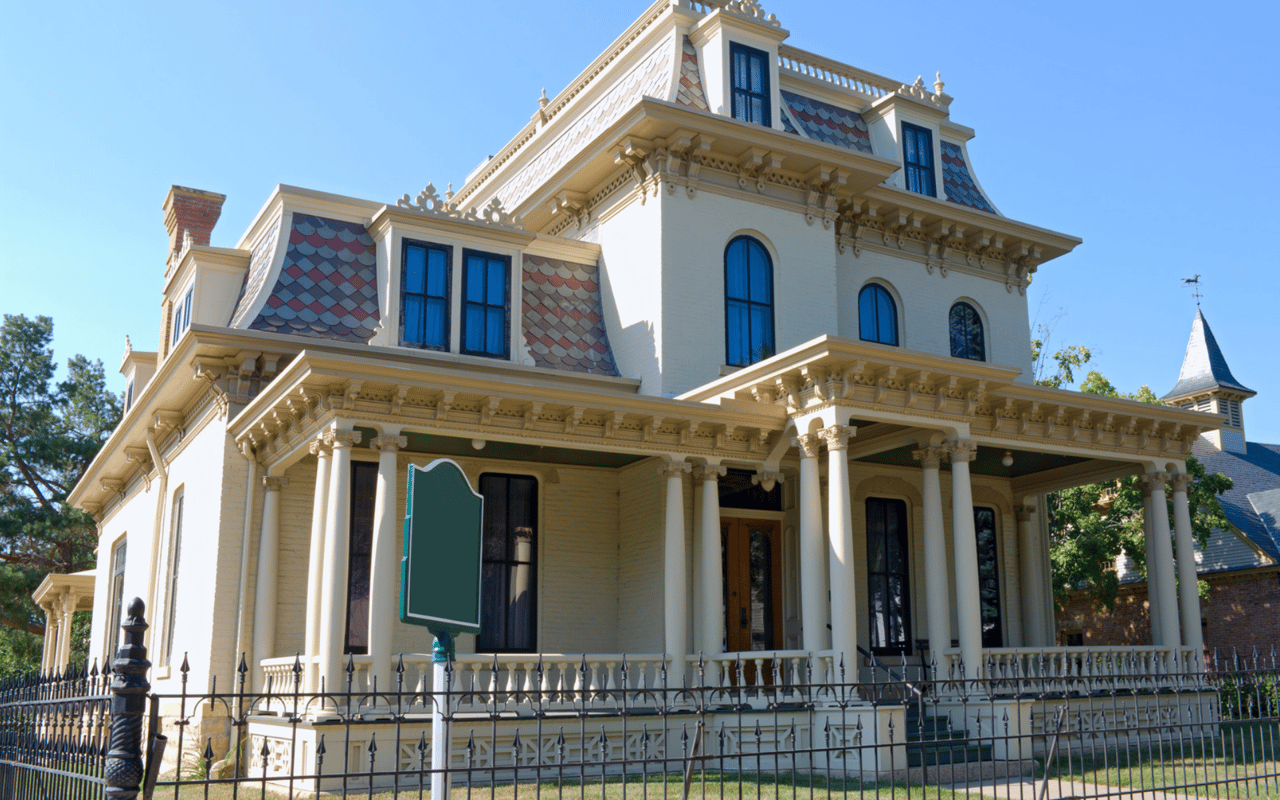
Walk through some of San Diego's older residential streets, and you'll notice architectural details that tell a story. Craftsman porches, Spanish-inspired tile roofs, decorative windows, and homes with design features that reflect different periods in the city's development all contribute to the character of these places.
Some of these properties are located within officially designated historic districts. Others may simply be older homes with architectural features associated with a particular era. Although those descriptions can sound similar, they don't mean the same thing.
A historic district is a formally recognized geographic area with historical, architectural, cultural, or other significance under the applicable designation criteria. Understanding what that recognition means starts with distinguishing a property's age and appearance from its official designation.
A historic district is a defined area recognized for the collective significance of the buildings, sites, structures, or other resources within its boundaries. Rather than focusing exclusively on one building, a district considers how multiple properties contribute to a shared historical or architectural story.
In the City of San Diego, historic districts are established through a formal public process involving the City's historic preservation program and Historical Resources Board. A district may be significant because of its development history, architectural patterns, cultural associations, or other characteristics identified under the City's designation criteria.
The boundaries of a historic district are important because they identify the area covered by the designation. Being located in a neighborhood known for older architecture doesn't automatically mean a particular property is inside an officially designated district.
Not necessarily. A historic district can contain buildings with different levels of historical significance, including properties that contribute to the district's recognized character and others that do not.
A contributing property is generally one identified as helping convey the district's historical significance. That might relate to its architecture, period of construction, association with the area's development, or other characteristics established through the designation process.
A noncontributing property is one that does not contribute to the district's significance under the applicable evaluation. That distinction doesn't automatically mean the property lacks architectural interest or has no historical background. It describes its classification within the particular historic district.
The distinction can also matter when determining which preservation requirements or programs apply. A property's status comes from the relevant designation records, not simply from its appearance.
No. Age and historic designation are different concepts.
San Diego has many homes built decades ago, including properties associated with the city's early residential expansion and later periods of suburban development. Some have retained recognizable architectural details, while others have undergone changes over time.
A home's construction date alone doesn't establish that it has been designated as a historic resource. Formal designation involves applicable criteria and a review process, while an older property may have no individual historic designation at all.
There is another distinction worth understanding: the City of San Diego may review certain development proposals involving older structures as part of its historical resources procedures, even when a property has not been individually designated. That review process should not be confused with proof that the property is officially historic.
No. These are two different forms of historic recognition.
An individually designated historic property is recognized for significance associated with that particular resource. A historic district recognizes a collection of resources that together convey a shared significance within defined boundaries.
A home can be located within a historic district without having a separate individual designation. Likewise, an individually designated property may be located outside a historic district.
The applicable rules and review procedures depend on the property's status and the relevant jurisdiction. The fact that two properties are both described as historic doesn't necessarily mean they have identical requirements.
Historic designation doesn't automatically mean a property can never be changed. However, it can affect how proposed maintenance, restoration, alterations, and other improvements are reviewed.
In the City of San Diego, designated historic resources and properties within historic districts are subject to applicable historical resources regulations. The City's preservation program describes review and approval requirements intended to address changes that may affect historically significant features.
The scope of review depends on the property, its designation status, and the proposed work. A project involving a historically significant exterior feature may raise different preservation considerations from work involving other portions of the property.
It's also important to distinguish historic review from ordinary building permits. A project may involve multiple regulatory requirements, and the fact that work is associated with a historic property doesn't independently establish which approvals are necessary. Those determinations belong to the applicable City departments and qualified professionals reviewing the specific proposal.
Yes. San Diego has designated historic districts that reflect different periods of the city's architectural and community development.
For example, the City of San Diego identifies South Park in Golden Hill, Spalding Place in North Park, and Valle Vista Terrace in North Park among its designated historic districts. Each has its own boundaries and historical significance.
These districts illustrate how historic preservation can recognize a collection of properties rather than a single landmark. A district's significance may be connected to its development pattern, architecture, or relationship to a particular period of San Diego's history.
Not every street in a historically recognizable neighborhood is necessarily part of a designated district. The official boundaries and designation records are what establish whether a particular property is included.
Kensington and Talmadge are associated with recognizable residential architecture and important chapters of San Diego's development. Homes in these communities may display Spanish Revival, Craftsman, and other architectural influences, depending on the property and its construction period.
However, a neighborhood's architectural identity is not the same thing as a formal historic district designation. An individual property may have a specific historic status, while another property on a nearby street may not.
That distinction is particularly important when discussing neighborhood history in real estate. Architectural style, approximate age, individual designation, and district designation are separate pieces of information.
A neighborhood can have a rich architectural history without every home being officially designated as a historic resource.
Historic designation can be relevant to certain property tax incentive programs, but it does not automatically reduce a property's taxes.
In California, the Mills Act provides a framework through which participating local governments may enter into agreements with eligible owners of historic properties. These agreements involve preservation-related commitments and may provide property tax benefits under applicable requirements.
The City of San Diego operates a Mills Act program for qualifying locally designated historic properties. Participation involves a separate application and contractual process, and eligibility depends on the City's requirements.
A home being old, architecturally distinctive, or located within a historic district doesn't by itself establish that the property has an active Mills Act agreement or receives a particular tax benefit.
The program is also separate from the historic designation itself. A property can have historic significance without participating in a Mills Act agreement.
No single set of local historic preservation procedures applies uniformly across every city and community in San Diego County.
The City of San Diego has its own historic preservation program, designation procedures, and Historical Resources Board. Other incorporated cities may have their own ordinances and review processes.
Unincorporated areas of San Diego County are subject to the County's applicable historic preservation framework rather than the City of San Diego's municipal program.
State and federal historic registers may also be relevant, but listing on one register doesn't automatically establish identical local requirements or benefits. The jurisdiction and type of designation both matter.
Historic designation is a matter of official records rather than a conclusion drawn from a home's appearance or real estate marketing description.
For properties within the City of San Diego, the City's historical resources program maintains information about designated resources and historic districts. Designation reports, district boundaries, and other official records can provide details about a property's recognized significance and classification.
The City also makes historical resource information available through its California Historical Resources Inventory Database, although the City notes that the database is not a complete record of every designated or surveyed resource.
A property's architectural style or construction date can provide historical context, but neither independently confirms its legal designation.
San Diego's neighborhoods reflect different periods of growth, changing architectural preferences, and the development of the city over time. Historic districts are one way that certain collections of buildings and places are formally recognized for their shared significance.
That recognition can involve both the physical character of a district and the history associated with its development. It can also create specific preservation responsibilities and review requirements for properties within the designated area.
The important distinction is that historic character and official historic designation are not interchangeable. A home's age, architectural details, and neighborhood setting may tell part of its story, while the applicable designation records explain whether it is formally recognized and what that status means.
This article is intended for general educational purposes only and is not legal, tax, architectural, or individualized real estate advice. Historic designation, preservation requirements, development approvals, and incentive program eligibility vary by property and jurisdiction. Questions about a specific property should be addressed through official records and the appropriate qualified professionals.
Stay up to date on the latest real estate trends.
October 27, 2026
Historic districts are part of how San Diego preserves its architectural and cultural history. But what does the designation actually mean for the homes within them?

October 22, 2026
Condos and apartments can look nearly identical, but the difference isn't necessarily in the building. It's in how the property is owned.

October 20, 2026
A home with solar panels can come with several different ownership and payment arrangements. Here's how those differences can affect a home sale.

October 15, 2026
The price you see on a real estate listing isn't necessarily the price a home eventually sells for. Here's what each number represents and why they can differ.
October 13, 2026
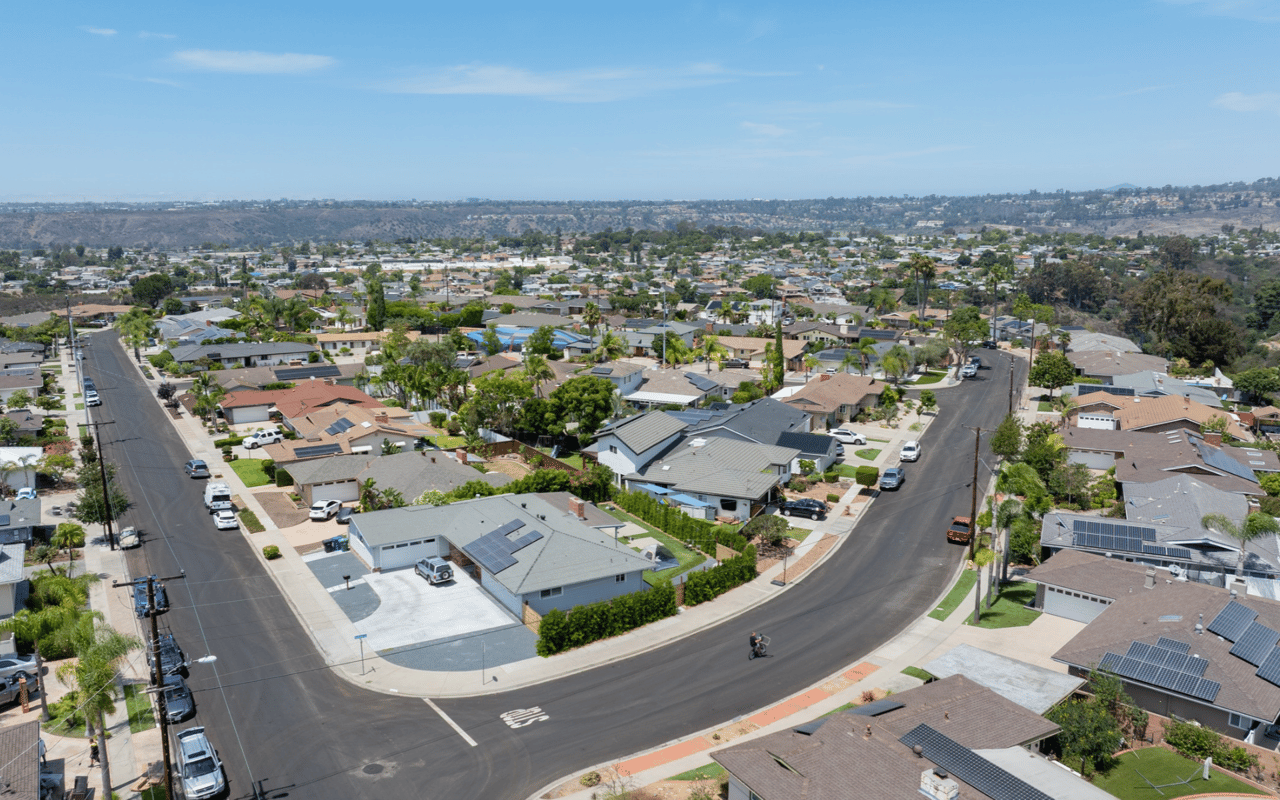
From hillside streets and established residential neighborhoods to nearby outdoor recreation, here's a closer look at Del Cerro and its place in San Diego.
October 8, 2026
“As-is” is a phrase buyers see frequently in real estate, but it can be easy to misunderstand. Here’s what the term generally means in a California home sale—and what … Read more
You’ve got questions and we can’t wait to answer them.