Caring for Summer Stings
Daniel Fefferman | March 31, 2025
Interesting Facts

Daniel Fefferman | March 31, 2025
Interesting Facts
Summer stings can happen with hornets, bees, yellow jackets and wasps. For most people a sting is just painful, but for a few it can be life-threatening.
After any sting it would be normal for you to experience pain or burning, redness and swelling at the site of the sting. Pain or burning usually lasts for one to two hours, but the pain should slowly diminish. Itching and redness may follow. Redness and swelling can worsen for up to 24 hours after a sting, but should then start to get better. Redness will often go away after three days and swelling after seven days.
To care for any bee sting, you should first remove the stinger if it is visible (only honeybees leave their stinger). Stingers look like a tiny black dot and can often be removed with tweezers, scotch tape or you can scrape it out with a credit card or butter knife. If you are not able to remove the stinger, it will come out on its own as your skin sheds. Next, use a cold compress for 20 minutes and repeat as needed. This will reduce pain and swelling to the sting. You can also make a paste from meat tenderizer or baking soda and apply it to the site for pain relief. This defuses the venom but should only be applied one time to any sting. For further pain relief you can take acetaminophen or ibuprofen. To help with itching, the Denver Health NurseLine suggests you take an antihistamine like Benadryl, Claritin or Zyrtec or use Hydrocortisone Cream.
Most stings will not need further treatment. However, if within two hours of the sting you develop any wheezing, trouble breathing, hoarseness or cough, tightness in your throat or chest, a swollen tongue, widespread hives with itching, facial swelling, vomiting or abdominal pain, you should call 911 and seek medical help right away. These can be signs of a life-threatening allergic reaction. If you have a known allergic reaction to bee stings, you may have been prescribed an epinephrine auto-injector (EpiPen), and you should keep this with you at all times. One quick jab to the thigh helps slow down the allergic reaction, but using the pen is often not enough and you should still seek medical help for observation and further treatment if needed.
You should also seek medical attention if you are stung by a swarm of bees, lose consciousness, are stung inside the mouth or on the eye or if you obtain more than 50 stings. Bee stings rarely get infected, but if you have any signs of infection that start 24 hours after the sting, you may need to follow up with your doctor. You should watch for signs of infection such as fever, increased redness, increased pain, red streaks, swelling greater than four inches or drainage from the site of the sting.
Source: Rhonda Tanner, MSN, MHA, BSN, RN, denverhealthmedicalplan.org
Stay up to date on the latest real estate trends.
November 11, 2026
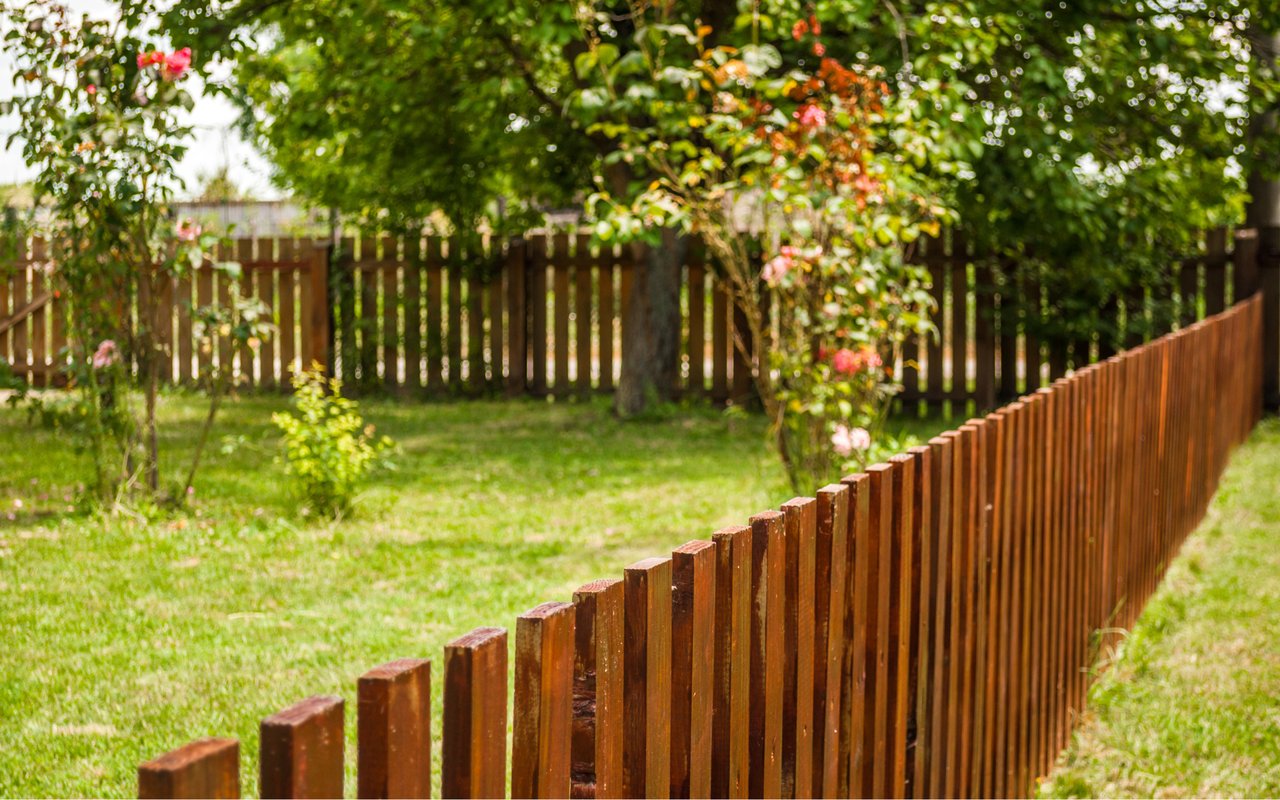
A fence may show where one yard ends and another begins, but it doesn't necessarily mark the legal boundary between two properties.

November 9, 2026
Some homes sit directly on concrete slabs, while others are raised above the ground. Here's how these two foundation styles differ and why both are part of San Diego's… Read more

November 4, 2026
A home can look like a traditional single-family residence and still be part of a planned development. Here's what that means for ownership, shared spaces, and homeown… Read more

October 29, 2026
From midcentury architecture to modern home design, flat roofs are part of San Diego's residential landscape. Here's why they're used and how they actually work.

October 29, 2026
Both can be part of buying a home, but they answer very different questions. Here's what each one examines and why the distinction matters.

October 27, 2026
Historic districts are part of how San Diego preserves its architectural and cultural history. But what does the designation actually mean for the homes within them?
You’ve got questions and we can’t wait to answer them.