Why Every Homeowner Should Know Where Their Electrical Panel Is
Daniel Fefferman | July 24, 2026
Home Improvement
Daniel Fefferman | July 24, 2026
Home Improvement
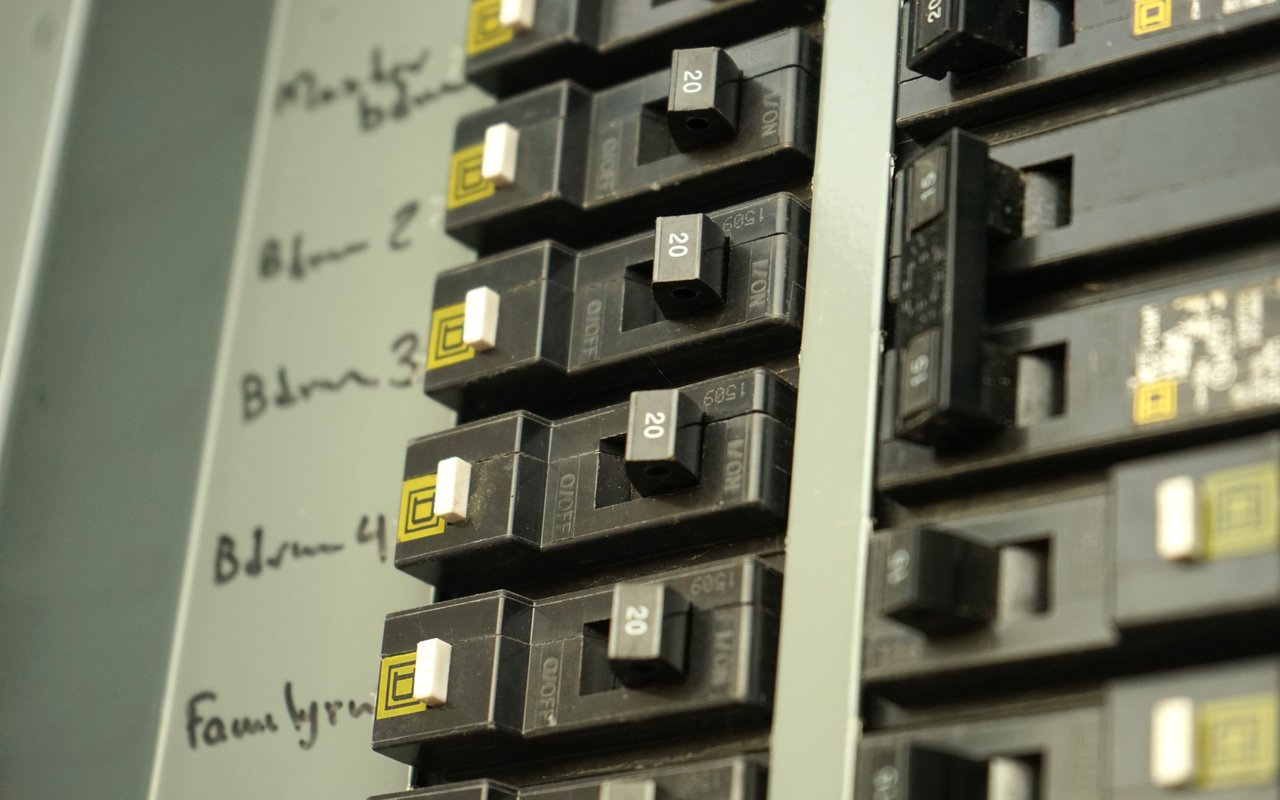
Last week, we talked about locating your home's main water shut-off valve. Another feature that's worth becoming familiar with is your electrical panel.
Most homeowners rarely need to open it, but when a breaker trips, electrical work is being completed, or an emergency occurs, knowing where the panel is—and understanding its basic purpose—can save both time and frustration.
Like many aspects of homeownership, it's much easier to become familiar with it before you actually need it.
Your electrical panel is the central distribution point for your home's electrical system.
Inside the panel are individual circuit breakers that control power to different areas of the home. If too much electricity flows through one circuit, the breaker is designed to shut off power to help protect the wiring.
That's why a breaker may occasionally trip if too many high-demand appliances are running on the same circuit.
The location varies depending on the age and layout of the home, but electrical panels are commonly found:
Taking a few minutes to locate the panel now makes it much easier to access later if needed.
If you haven't already, consider labeling any breakers that aren't clearly identified. Knowing which breaker controls the kitchen, garage, bedrooms, or HVAC system can make future maintenance much easier.
It's also helpful for everyone in the household to know where the panel is located, especially if power needs to be shut off quickly during an emergency or while waiting for an electrician.
Homeownership isn't just about maintaining the house—it's about understanding how it functions. Becoming familiar with your electrical panel is a simple step that can make routine maintenance and unexpected situations much easier to manage.
Stay up to date on the latest real estate trends.
July 24, 2026
It's not something you think about every day—but when you need it, knowing where your electrical panel is can save valuable time.

July 22, 2026
Beyond the down payment, buyers should understand the additional costs that come with purchasing a home.
July 13, 2026
Condominiums can offer a different path to homeownership, but there are several factors worth understanding before making a purchase.

July 13, 2026
It's one of the most important parts of your home—yet many homeowners don't know where to find it until there's an emergency.

July 9, 2026
Understanding what these terms actually mean—and why the answer isn't always as straightforward as it sounds.
July 8, 2026
A simple habit that can make future repairs, insurance claims, and even selling your home much easier.
You’ve got questions and we can’t wait to answer them.