Why Every Homeowner Should Keep a Home Maintenance File
Daniel Fefferman | July 8, 2026
Homebuyers
Daniel Fefferman | July 8, 2026
Homebuyers
Owning a home comes with an ongoing list of projects, repairs, and improvements. Over the years, it's easy to lose track of when the water heater was replaced, who installed the new HVAC system, or where the warranty paperwork for the dishwasher ended up.
Most homeowners don't think much about these details until they suddenly need them. That's why creating a dedicated home maintenance file can be one of the simplest ways to stay organized and make homeownership a little less stressful.
Whether you keep a physical binder or a digital folder, having everything in one place can save time when questions inevitably come up.
Every repair or upgrade tells part of your home's story.
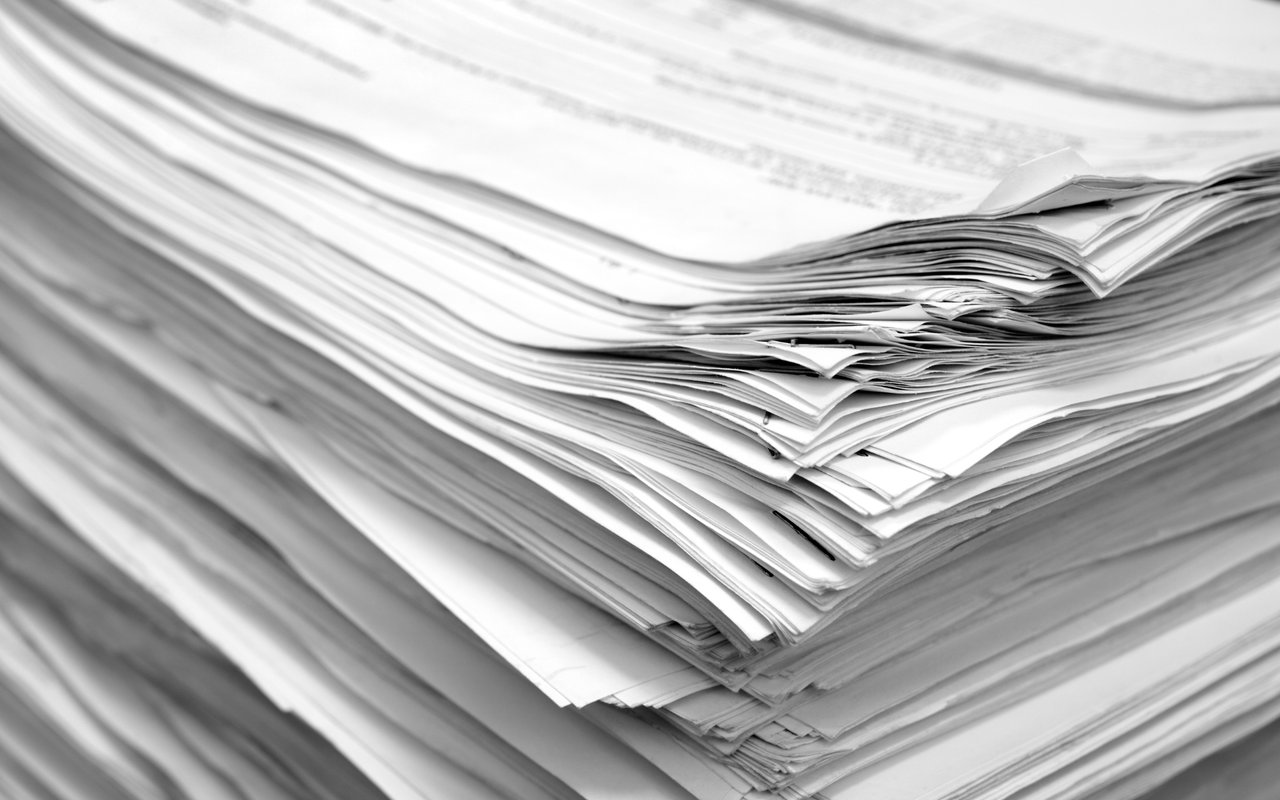
Whenever work is completed, consider saving the invoice, contractor's contact information, permits (if applicable), and any warranty documentation. Over time, those records create a clear history of the property and make it much easier to answer questions about when systems were serviced or replaced.
If you ever decide to sell your home, organized records can also help demonstrate that the property has been consistently maintained.
Many major home components—including appliances, HVAC systems, water heaters, and roofing materials—come with manufacturer warranties.
Keeping those documents together means you won't have to search through drawers or old emails if something stops working. Having warranty information readily available can also speed up the repair process and help determine whether a replacement may already be covered.
One detail that's easy to overlook is recording the products you've used throughout your home.
Paint colors, flooring materials, tile selections, cabinet finishes, and countertop information can all become incredibly useful years later when it's time for a repair or touch-up. A simple note today can save hours of guesswork in the future.
In addition to maintenance records, it's helpful to keep documents like your homeowners insurance policy, title insurance policy, appliance manuals, and other important paperwork in one central location.
Even if you don't reference them often, knowing exactly where they are can make unexpected situations much easier to manage.
Homeownership comes with a lot more than a monthly mortgage payment. Over time, every repair, upgrade, and improvement becomes part of your home's history. Keeping those records organized is one of the easiest ways to protect your investment and simplify future maintenance.
At Define Real Estate, this is something we believe in so strongly that every buyer who purchases a home with us receives a Homeowner's Manual as part of their closing gift. It's designed to help keep warranties, maintenance records, contractor information, paint colors, appliance manuals, and other important documents organized in one place from day one.
If you already own a home and don't have a system like this, we'd be happy to get a Homeowner's Manual into your hands. It's a simple resource, but one that can make owning a home a little more organized for years to come.
Stay up to date on the latest real estate trends.

November 20, 2026
Both terms appear early in the homebuying process, but understanding what a lender has actually reviewed matters more than the label.
November 19, 2026
Closing a home sale and moving out do not always happen on the same day. Here’s how temporary seller occupancy fits into that transition.
November 11, 2026
A fence may show where one yard ends and another begins, but it doesn't necessarily mark the legal boundary between two properties.
November 9, 2026
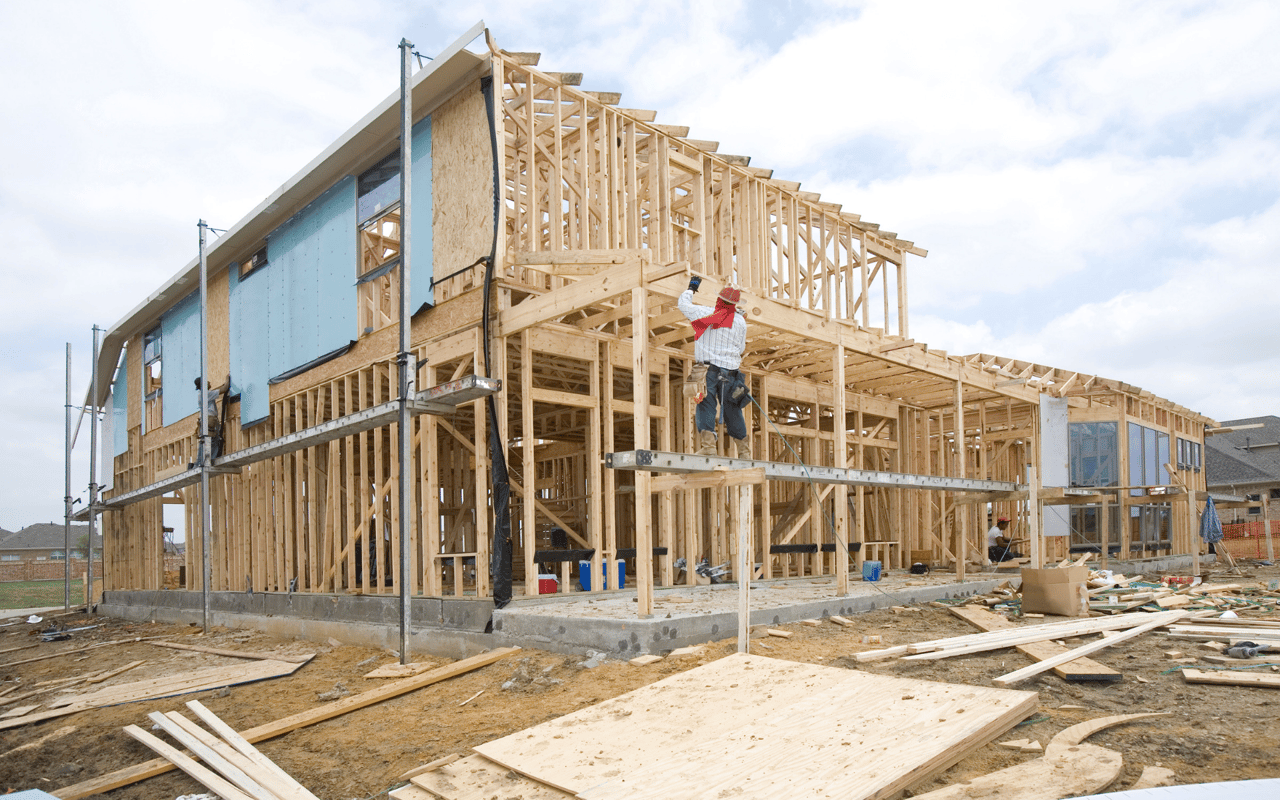
Some homes sit directly on concrete slabs, while others are raised above the ground. Here's how these two foundation styles differ and why both are part of San Diego's… Read more
November 4, 2026
A home can look like a traditional single-family residence and still be part of a planned development. Here's what that means for ownership, shared spaces, and homeown… Read more
October 29, 2026
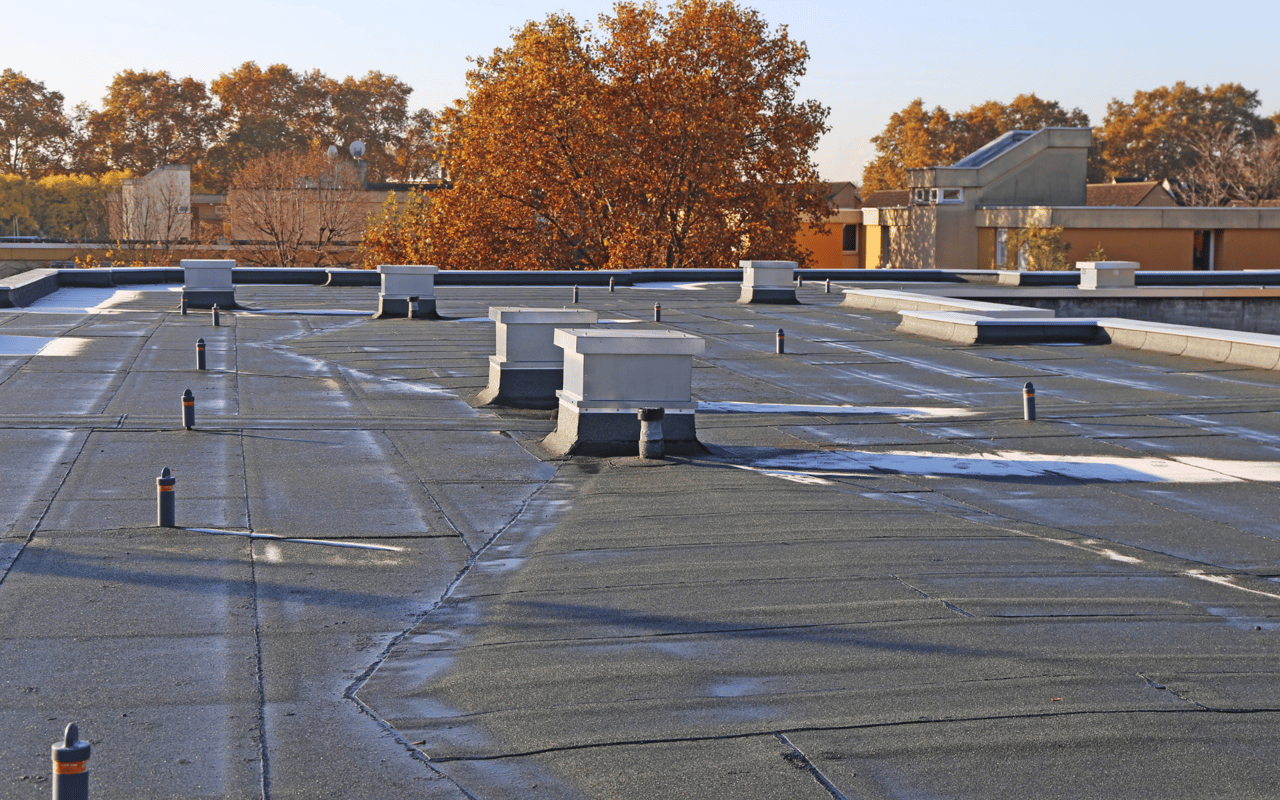
From midcentury architecture to modern home design, flat roofs are part of San Diego's residential landscape. Here's why they're used and how they actually work.
You’ve got questions and we can’t wait to answer them.