Do You Know Your Home’s Water Pressure?
Daniel Fefferman | August 11, 2026
Home Improvement
Daniel Fefferman | August 11, 2026
Home Improvement
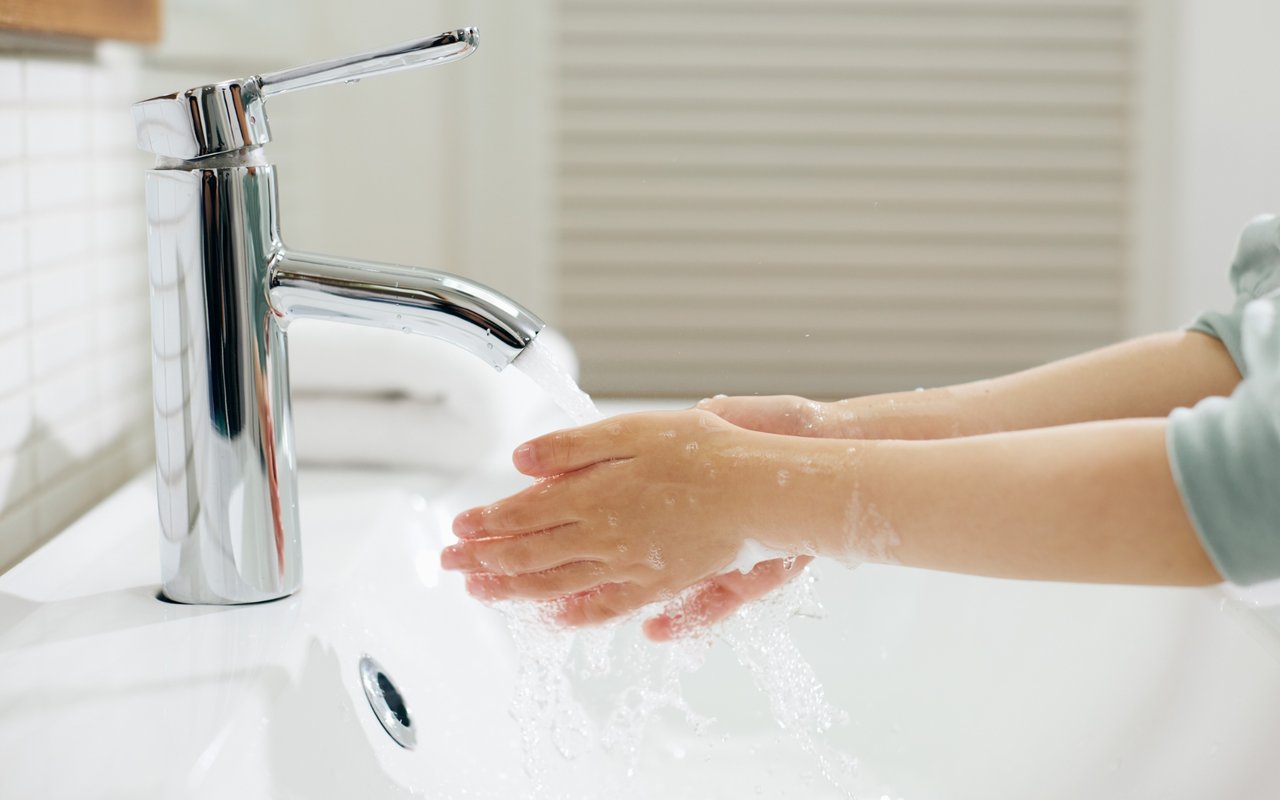
Most of us notice water pressure only when something feels different. Maybe the shower suddenly seems weak, the kitchen faucet comes on with more force than usual, or you hear a strange banging sound in the pipes when the water shuts off. What we don't often think about is the pressure behind all of it.
Water pressure plays an important role in how your home's plumbing system functions. You need enough pressure to move water effectively to faucets, showers, appliances, and fixtures throughout the house, but more pressure isn't necessarily better. Excessive pressure can place additional stress on plumbing components over time, while unusually low pressure can be a sign that something deserves a closer look.
Knowing a little about your home's water pressure is another one of those small pieces of homeownership knowledge that can be surprisingly useful.
Water pressure is the force pushing water through your home's plumbing system, and it's commonly measured in pounds per square inch, or PSI. The pressure arriving at a home can be influenced by the municipal water system, the property's elevation, plumbing configuration, and equipment installed at the property.
What matters to a homeowner isn't memorizing a particular number. It's understanding that the plumbing throughout your house is designed to operate within appropriate pressure conditions. If something changes noticeably—particularly if the change is sudden—it can be worth finding out why rather than simply getting used to it.
It can. Strong water pressure might make for a satisfying shower, but excessive pressure isn't necessarily doing your plumbing any favors.
Higher-than-appropriate pressure can put additional strain on supply lines, valves, faucets, toilet components, water heaters, washing machine hoses, and other parts of the plumbing system. Over time, that added stress may contribute to premature wear or leaks. That's one reason some homes use equipment specifically designed to regulate the pressure entering the house.
The opposite can also happen. Low water pressure may be related to anything from a fixture-specific issue to a valve, regulator, plumbing, or water-supply condition. Because there are numerous possible causes, a noticeable change is generally more useful as a reason to investigate than as a way to diagnose the problem yourself.
Some homes have a water pressure regulator, also called a pressure-reducing valve or PRV. Its job is essentially what the name suggests: it reduces incoming water pressure and helps maintain an appropriate pressure for the home's plumbing system.
It's one of those components homeowners may walk past for years without realizing what it does. Depending on the home's plumbing layout, the regulator is generally located along the main water supply line before water is distributed throughout the house.
Like other mechanical components, a regulator can require attention over time. If there's concern about the home's pressure or regulator, a licensed plumbing professional can evaluate the system and determine whether anything needs to be repaired, adjusted, or replaced.
A change in water pressure doesn't automatically mean there's a major plumbing problem. Still, your home often gives you clues when something isn't operating the way it normally does.
You might notice faucets that suddenly feel unusually forceful, a shower that has become noticeably weaker, banging or unusual plumbing noises, recurring problems with fixtures, or a significant difference in pressure between areas of the house. The important word here is change. Becoming familiar with what's normal for your home makes it easier to recognize when something suddenly isn't.
And if you're experiencing a leak or another plumbing emergency, water pressure isn't the first thing to troubleshoot. That's when knowing the location of your main water shut-off valve—something we've talked about before—becomes especially important.
Water pressure can be measured with a pressure gauge connected to an appropriate hose bib or other suitable connection. It's a relatively straightforward test, but the reading is only one piece of information; understanding why pressure is unusually high, low, or fluctuating can require evaluating the rest of the plumbing system.
If you aren't familiar with your home's plumbing or something seems unusual, having a licensed plumber check it is the better route. They can evaluate the pressure along with the regulator, valves, fixtures, and other components that may be contributing to the issue rather than relying on a single measurement.
You don't need to become your own plumber to be an informed homeowner. Simply knowing that your home has water pressure, that it can be regulated, and that noticeable changes are worth paying attention to puts you in a better position to recognize when something may need professional attention.
It’s another small way of getting to know the home you live in—and sometimes those little bits of knowledge become the most useful when you least expect them.
Stay up to date on the latest real estate trends.

August 20, 2026
Both are among Southern California's more expensive places to live, but housing costs and day-to-day expenses aren't identical. Here's how San Diego and Orange County … Read more
August 18, 2026
You don’t technically have to list your home to sell it. But before saying yes to an off-market offer, it helps to understand what you may be gaining—and what you may … Read more

August 13, 2026
There isn't one universal credit score required to buy a home. Here's how credit can factor into mortgage qualification and what California buyers should understand be… Read more
August 11, 2026
Water pressure is easy to overlook, but pressure that’s too high or too low can tell you a lot about what’s happening inside your home’s plumbing system.

August 7, 2026
It may sound unlikely, but protecting against ownership disputes is one of the reasons title insurance is part of nearly every home purchase.
August 5, 2026
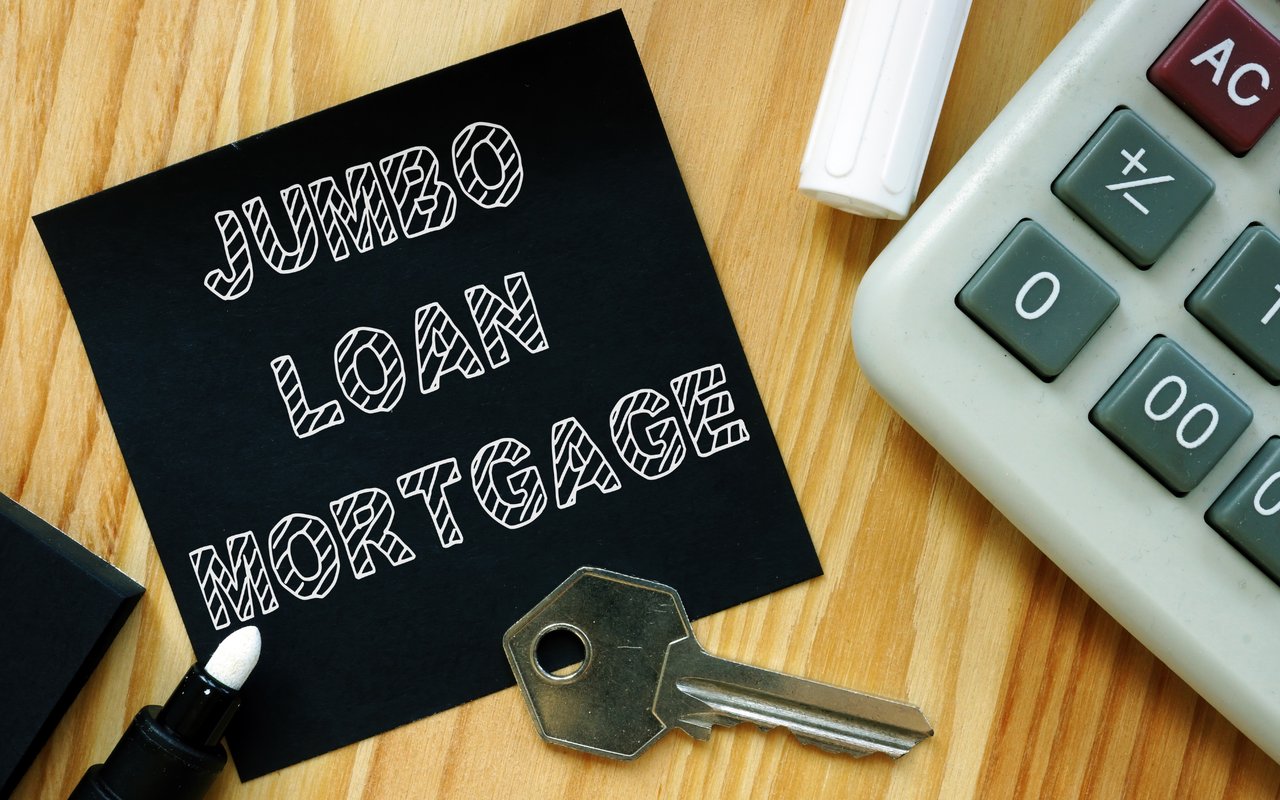
Higher home prices in California mean more buyers encounter jumbo loans. Here's what they are and how they differ from conventional financing.
You’ve got questions and we can’t wait to answer them.