What Is Earnest Money in Real Estate?
Daniel Fefferman | June 15, 2026
FInance

Daniel Fefferman | June 15, 2026
FInance
Once a buyer and seller agree on the terms of a purchase, the transaction begins moving into escrow. One of the first steps during that process is typically the earnest money deposit, a term that many people hear for the first time when they're actively buying a home.
While it may sound complicated, earnest money serves a fairly straightforward purpose. It demonstrates that the buyer is serious about moving forward with the transaction and intends to follow through on the terms of the agreement.
After an offer is accepted, the buyer submits a deposit according to the timeline outlined in the purchase contract. Rather than being given directly to the seller, the funds are generally held by a neutral third party, such as an escrow company, while the transaction progresses.
The money remains in escrow while inspections are completed, financing is finalized, disclosures are reviewed, and the remaining conditions of the sale are addressed.
This structure helps create confidence for both parties while the transaction moves toward closing.
The amount of earnest money varies from transaction to transaction. Factors such as the purchase price, market conditions, and negotiated contract terms can all influence the size of the deposit.
There is no single amount that applies to every home purchase. Instead, earnest money is determined as part of the agreement between the buyer and seller.
Because of that, buyers often discuss the appropriate amount with their real estate agent before submitting an offer.
A common misconception is that earnest money is an additional expense on top of everything else. In most successful transactions, that's not the case.
Instead, the earnest money deposit is typically applied toward the buyer's purchase costs at closing. It often becomes part of the down payment, closing costs, or other funds required to complete the purchase.
The deposit doesn't disappear—it simply becomes part of the overall financial structure of the transaction.
Real estate transactions involve a significant amount of coordination between buyers, sellers, lenders, escrow companies, inspectors, and other parties. Earnest money has long been part of the process because it helps establish commitment early on and creates a framework for moving forward.
While it may only represent one step within a larger transaction, it's often one of the first milestones after an offer is accepted and a sign that the process is officially underway.
For many buyers, earnest money is one of those terms that sounds more complicated than it really is. Once you understand where the funds go, how they're handled, and what role they play during escrow, it becomes much easier to see how it fits into the overall home-buying process.
Stay up to date on the latest real estate trends.
June 17, 2026
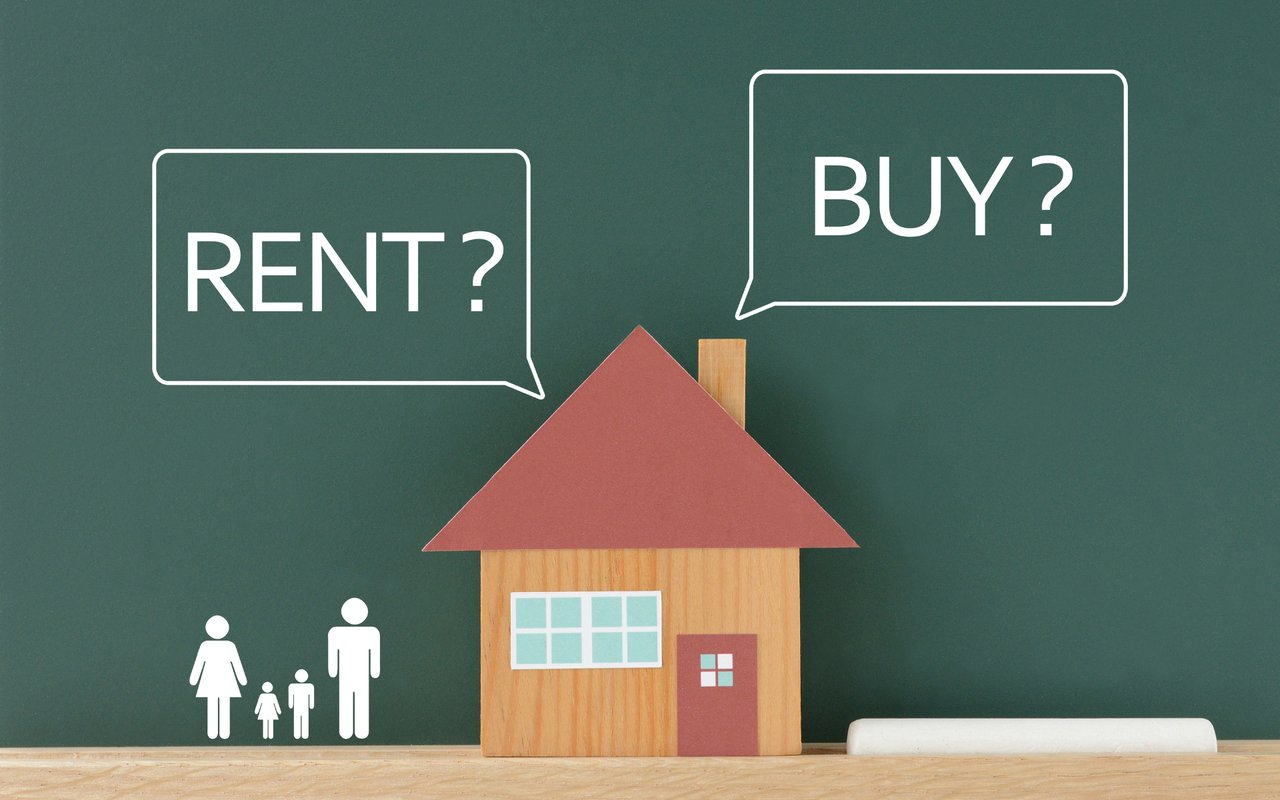
The answer depends on more than monthly payments. Timing, flexibility, long-term plans, and housing goals all play a role.
June 15, 2026
One of the first financial steps buyers take after an offer is accepted.

June 11, 2026
A look at the factors that continue to shape one of the country's most competitive housing markets.

June 9, 2026
One of the most important milestones during escrow—and one that often causes confusion for buyers and sellers alike.

June 3, 2026
Both cities rank among the most expensive places to live in California, but the answer depends on what costs you're comparing.

June 1, 2026
A common cost for many homebuyers that often creates confusion during the financing process.
You’ve got questions and we can’t wait to answer them.