What Is PMI (Private Mortgage Insurance)?
June 1, 2026
FInance
June 1, 2026
FInance
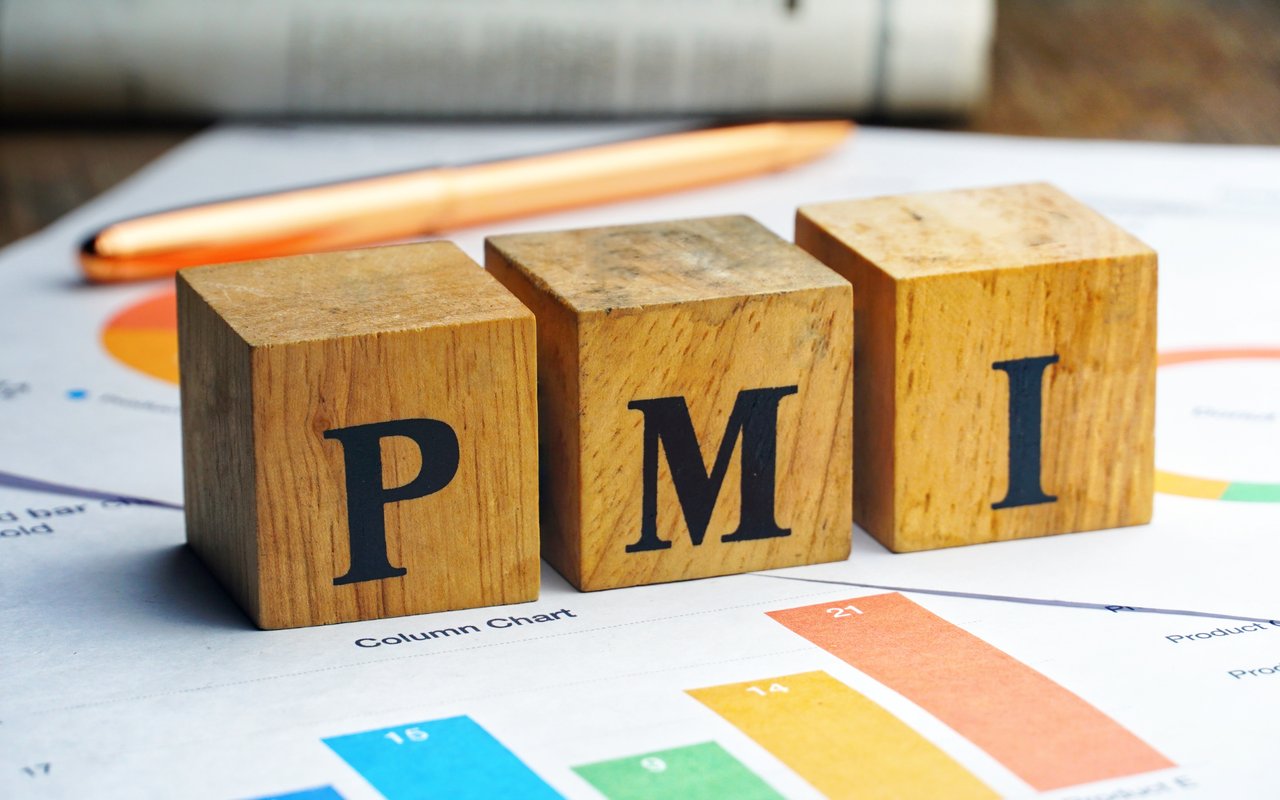
For many buyers, purchasing a home involves more than just a down payment and monthly mortgage payment. Along the way, there are a number of financing terms that appear during the loan process, and one of the most common is PMI, or Private Mortgage Insurance.
PMI is often misunderstood because it sounds like a form of insurance that protects the homeowner. In reality, PMI is designed to protect the lender if a borrower stops making payments on the loan.
PMI is typically required when a buyer obtains a conventional loan and puts down less than 20% of the home's purchase price.
From a lender's perspective, a smaller down payment creates additional risk. Private mortgage insurance helps offset some of that risk, allowing lenders to offer financing options that require less money upfront.
Because of this, PMI has become a common part of homeownership for many buyers, particularly first-time purchasers who may not want to wait years to save a full 20% down payment.
The cost of PMI varies depending on several factors, including the loan amount, down payment, credit profile, and lender requirements.
Rather than a flat fee, PMI is generally calculated as part of the monthly mortgage payment. Some borrowers may pay relatively little, while others may see a larger monthly impact depending on the specifics of the loan.
Because every situation is different, buyers typically receive detailed estimates from their lender during the financing process.
One of the most important things to understand about PMI is that it is not always permanent.
As homeowners build equity in the property, they may eventually become eligible to have PMI removed. In many cases, this occurs once certain loan-to-value thresholds are reached, though the exact requirements depend on the loan and lender guidelines.
For that reason, PMI is often viewed as a temporary tool that helps buyers enter the market sooner rather than waiting until they have accumulated a larger down payment.
Without PMI, many buyers would face significantly higher barriers to homeownership.
The ability to purchase a home with less than 20% down has helped create opportunities for people who have strong income and credit profiles but may not have had the time or ability to save a larger down payment.
While PMI does add to the monthly cost of ownership, it also expands access to financing options that might not otherwise be available.
PMI is one of those real estate terms that comes up frequently but isn't always fully explained. Understanding what it is, why lenders require it, and how it fits into the overall financing picture can make the home-buying process feel much more straightforward.
Stay up to date on the latest real estate trends.

September 21, 2026
You own the property—but that doesn't mean every part of the lot is treated the same when it comes to building. Here's what a setback is and where you might encounter … Read more

September 17, 2026
The down payment is only one part of the money involved in purchasing a home. Here are the upfront expenses San Diego buyers may encounter before and around closing.

September 15, 2026
If part of your monthly mortgage payment goes toward property taxes and insurance, that money may be going into an impound account. Here’s what that means and how it w… Read more

September 10, 2026
Condos and detached homes come with different ownership structures, expenses, responsibilities, and features. Here’s what San Diego buyers should understand when compa… Read more

September 8, 2026
We see a home's “year built” everywhere from real estate listings to property records. But what does that little date actually represent?

September 4, 2026
From getting pre-approved to finding the right home and making it through escrow, here’s what can affect the timeline when buying a home in San Diego.
You’ve got questions and we can’t wait to answer them.